
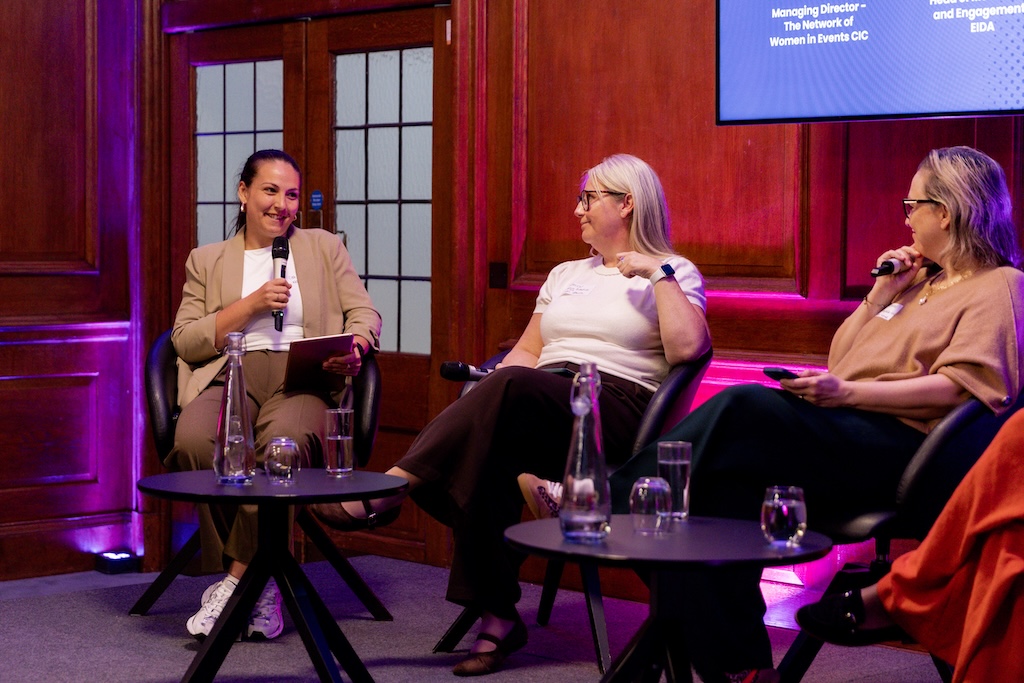
The Network of Women in Events (NOWIE) has shared plans for its Safe to Work programme, with policy templates, training and resources to help events businesses tackle harassment and better support their teams.
The plans were presented at The Big Survey: What Happens Next? at Church House Westminster on 15 October, following research which found that 80% of women respondents had experienced harassment while working on site at events.
The event brought together employers, freelancers and specialists in workplace safety and violence against women and girls to discuss how the industry should respond.
Developing Safe to Work
Introducing the programme, NOWIE managing director Cat Kevern and First Option’s Katie Hodson highlighted a familiar problem: businesses may have policies, but the people working for them do not always know they exist or how to use them.
Procedures also need to reflect the varied places and conditions in which events teams work, from offices and exhibition halls to festival fields.
Safe to Work’s proposed resources include policy templates, checklists and risk assessment tools that businesses can adapt. Training options being explored include short e-learning videos that could be included in inductions for contractors, freelancers and bar staff, including those only working on an event briefly.
NOWIE plans to develop the resources through working groups and virtual roundtables with people from different parts of the industry. It is also seeking support from larger businesses to help keep the programme accessible to smaller organisations and individuals.
Understanding the reporting gap
A panel chaired by Kevern featured Atonte Semira, head of community and advocacy at UN Women UK; Kelly Lewis, head of membership and engagement at the Employers’ Initiative on Domestic Abuse; and Sylvia Oates, CEO of Ask for Angela.
Semira warned that employers introducing better support and reporting procedures may initially see more reports, as people feel able to share experiences they had previously kept to themselves.
Drawing on UN Women UK’s Safer Spaces Now work at Lost Village festival, she described an approach that involves senior organisers, security teams, bar staff and contractors, as well as reviewing lighting and routes around the site. Visible support on the ground is backed by training and involvement in the festival’s management meetings.
She urged organisations to budget for the work and give it time. An early increase in disclosures should be understood in that context, rather than prompting organisers to pull back.
The panel also discussed the fear of saying or doing the wrong thing, which can hold employers back from addressing harassment and abuse. Speakers encouraged businesses to involve staff in developing their approach and use specialist guidance to help them respond.
Information about acceptable behaviour and where to find support could become part of routine inductions and event briefings, reaching temporary teams as well as permanent employees.
What will businesses do differently?
In the closing session, attendees were asked to share one action they would take after the event. Recruiters pledged to ask clients more questions about staff safety and safeguarding. One employer committed to discussing harassment of her team with clients at every pre-event briefing, alongside the risk assessment.
An attendee who briefs on-site researchers said she had assumed they would know to come to her if something happened. She planned to make that explicit in future, including a discussion about unacceptable behaviour.
Another committed to seeking training after recognising that her role working on an event’s welcome desk could mean she is the first person approached about an incident.
As NOWIE develops Safe to Work, it is inviting industry participants to help shape the programme through its planned working groups and roundtables.