
Just 5% of organisations truly understand the hidden barriers facing their priority client segments, according to a finding shared at PCMA Convening EMEA in Lisbon.
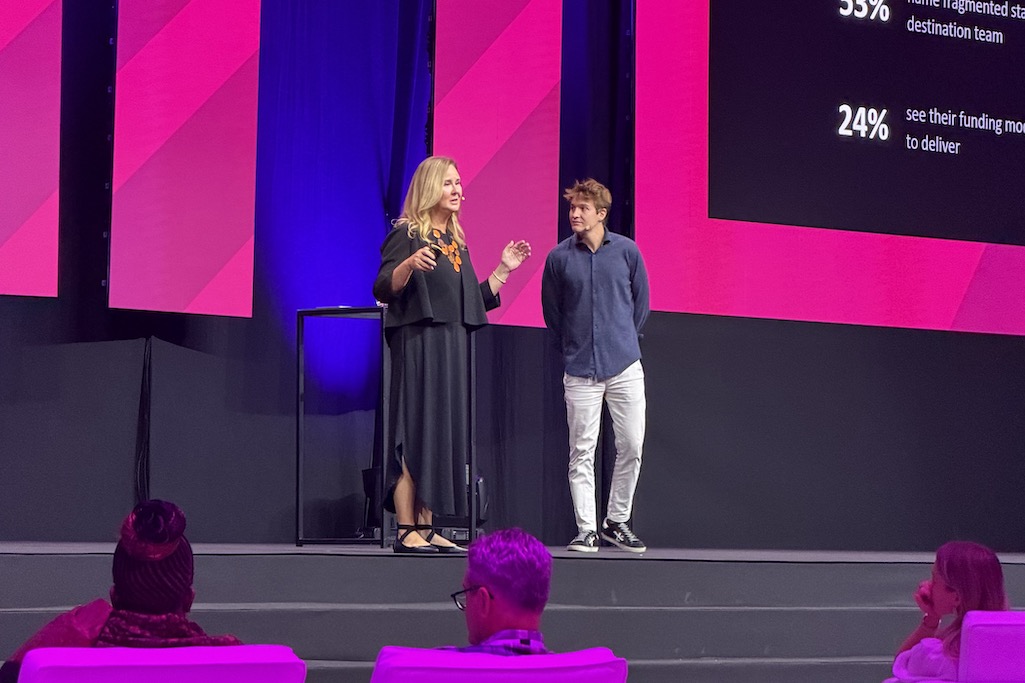
The figure was among the findings discussed by PCMA’s Chantal Sturk-Nadeau and MCI Group’s Albert Cerezales Garcia during a session on PCMA Outlook 2026. Covering corporate event teams, associations and destinations, the joint research examines how organisations can prepare for change and make more informed decisions about where to invest their time and resources.
The 5% finding prompted a surprised reaction from the audience, who had estimated it might sit around the 25% mark. Cerezales Garcia explained that knowing which sectors or clients to target is only part of the job. Organisations also need to understand the pressures those clients face and what might prevent them from making a decision.
For a destination, that could mean looking beyond the type of event a client runs to understand its internal decision-making process and the challenges facing its organisation. For an association, it might mean understanding why people engage with its content and events but do not become members.
That depth of understanding matters as event professionals are increasingly expected to play a strategic role. The research found that 70% of corporate respondents said their role had become more proactive, while the research points to a broader shift from delivering events to being able to explain why each event exists and what it achieves.
Yet the tools needed to make those decisions are not always keeping pace. Among corporate respondents, 68% identified data or data quality as a major barrier to measurement.
“If you don’t have the data, you can’t make a strategic decision because you’re just going off thin air,” said Cerezales Garcia.
That challenge comes as corporate teams face pressure to deliver more with limited resources. Globally, 75% expected their teams to stay the same size or shrink, rising to 80% in the European results shared during the session. Respondents also described executives moving the goalposts on event objectives and KPIs during the planning process.
The association findings point to a different challenge. While membership is stagnant or declining for some, their wider communities continue to grow. People may read newsletters or attend events without becoming members, leaving associations to work out how to serve that audience and build a sustainable model around it.
Destinations face another version of the same problem. Financial incentives are now widely expected, according to 96% of destination respondents globally. Yet 53% said fragmented stakeholder interests were the biggest barrier to acting as one destination team, rising to 62% in Europe. Only 16% of European respondents felt their funding model was fully effective and aligned with what they were being asked to deliver, compared with 24% globally. Against that backdrop, understanding a client’s specific barriers becomes more useful than offering the same pitch or incentive to everyone.
Across the three sectors, only 36% of respondents had a framework for assessing future readiness, according to the session. More than half of corporate and association respondents (54%) gave their event portfolio less attention than other areas. The presenters asked whether organisations were continuing to run events because they had always run them, rather than reviewing what each one now contributes.
The research also questioned where destinations spend their limited budgets. One in five continue to fund broad trade show participation despite ranking it among their lowest-return spending, citing legacy, inertia or politics. The speakers acknowledged the pressure destinations can feel to be seen at major shows, but challenged them to examine what that presence actually delivers.
The Outlook report is intended to help turn those findings into action, with recommendations tailored to corporate teams, associations and destinations