
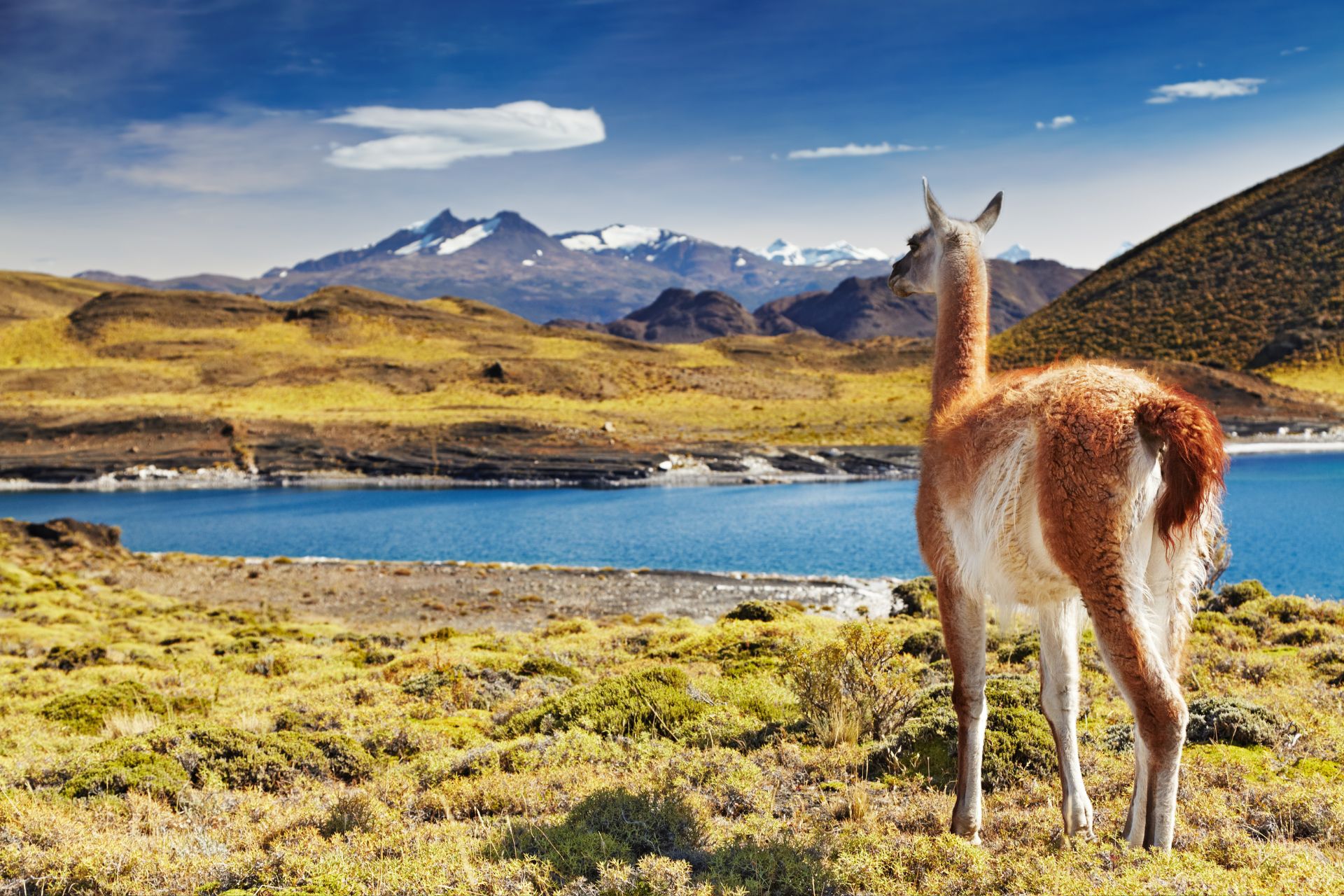
When I visited Patagonia, my experience of the region was that it was vast, beautiful and decidedly rugged. Most places were full of backpackers and solo travellers, and my days were spent on long, dusty hiking trails surrounded by walking boots and people carefully rationing trail mix. Aside from being an extraordinary experience, it also got me thinking: could a destination like this really work for MICE and incentive groups? Patagonia, at least from my own experience, felt more geared towards independent adventure travellers than corporate groups looking for a seamless, high-end experience.
The answer, as it turns out, is yes. Incentive travel is in the middle of a shift toward slower, more considered programmes, and Patagonia fits that shift better than its reputation may suggest. Speaking at Global DMC Partners’ Connection event earlier this year, Catherine Chaulet, president and CEO of Global DMC Partners, described the trend as “FOMO meets slow-mo”: clients still want to be part of the action, but they also want more space in their schedules. Over-packed agendas are giving way to more thoughtful, experience-led programmes, with greater emphasis on what participants actually take away from the experience. That shift is reflected in the numbers too: 81% of incentive travel programmes now build in wellness or mindfulness components, per-participant spending is up 54% year-on-year, and nearly half of organisations are increasing their use of travel-based incentives.
Few destinations are better suited to that approach than Patagonia. Dramatic and defined by a sense of space that is increasingly difficult to find, the region offers the opportunity to create an incentive programme that feels removed from everyday life, without compromising on luxury.
There is, however, one fairly obvious challenge with Patagonia, and that is the scale. The region spans Argentina and Chile, and trying to cover huge distances by road can leave an itinerary dominated by transfers. The good news is that experienced DMCs already know how to work around it, combining internal flights with private or semi-private ground transport to keep groups moving without spending half the trip on a coach.
Argentina-based DMC People Travel and Experience, for example, highlights the importance of flying between Patagonia’s key hubs rather than trying to tackle its vast distances entirely overland. For programmes beginning in Buenos Aires, direct flights to El Calafate take around three hours and 20 minutes, with multiple departures a day, making Patagonia a realistic pre- or post-conference extension rather than a separate expedition. For larger groups, the planning needs to start early. Groups of 20 or more will typically need around 12 to 18 months of lead time to secure accommodation and air contracts.
Across the border in Chile’s Torres del Paine, some of South America’s most spectacular luxury lodges are tucked into the landscape. Explora, Tierra Patagonia and Awasi offer a very different version of Patagonia, where days of adventure are followed by exceptional food, wine, spa treatments and once-in-a-lifetime views. So, while Patagonia may have a reputation as a place for travellers willing to rough it, there is absolutely no requirement to do so.
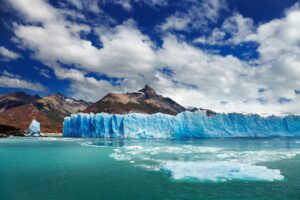
In and around Torres del Paine and El Calafate, guests can spend one day exploring on foot and the next cruising past or hiking on glaciers, riding across the landscape on horseback or heading out to an estancia for a glimpse into gaucho life. There are shorter guided walks for those who want to experience the scenery without committing to a full-day trek, while stargazing, wildlife spotting and visits to indigenous cave art sites offer a completely different perspective on the region.
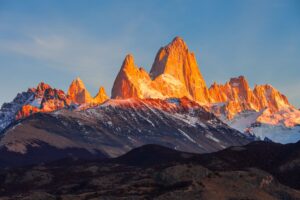
For groups looking to take things even further, there is Tierra del Fuego. Ushuaia, often marketed as the end of the world, adds another level of adventure to a Patagonia programme. Groups can ride the historic Train of the End of the World, once used to haul timber for the old Ushuaia penal colony, through Tierra del Fuego National Park, or take a boat out to see the penguin colonies along the Beagle Channel. Ushuaia also serves as the main departure point for Antarctica expedition cruises, for those with the time and budget to go further still.
In short, Patagonia’s greatest strength is in its unchanging nature. Its appeal has always been its vastness, its remoteness and its awe-inspiring sense of space. What has changed is the way incentive travel is being designed. The concern I had when I first visited, that the region might be too remote and unstructured for an incentive group, now feels less like a limitation and more like an asset. For an industry increasingly focused on meaningful experiences and slow travel, it may be the perfect time to take a closer look.