
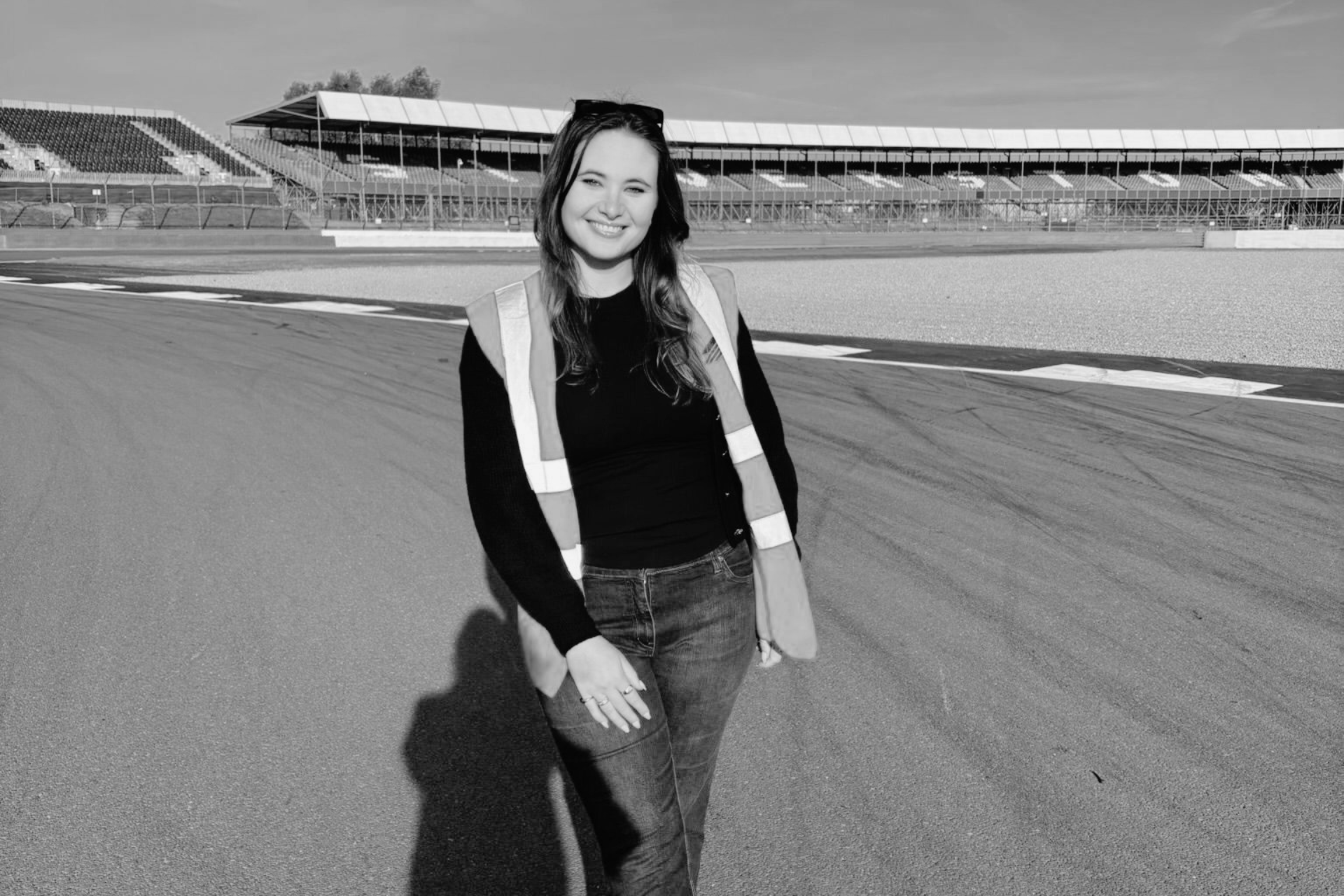
We asked Tamsin Grainger, part of the micebook Shadow Board, to reflect on the impact of EDI within event delivery and break down the journey of ensuring an event is built for everyone.
The world of events is constantly evolving, particularly as the industry continues to adapt to the growing importance of EDI, Equity, Diversity and Inclusion (IDE or DEI, depending on which abbreviation you prefer). Across conferences, gala dinners, and brand activations, we see more conversation than ever around inclusive design, accessible experiences, and equitable participation.
But sometimes, in the midst of frameworks, strategy documents, and well-intentioned planning processes, we forget something fundamental: creating a more inclusive event experience is often about simple, practical adjustments rather than complex or over-engineered solutions.
There is also a growing tendency within the industry to overcomplicate EDI, to treat it as a standalone activation or a “tick-box” requirement rather than something that should naturally sit at the heart of every production decision. As someone who is still learning but deeply passionate about this space, and as a neurodivergent individual myself, I was genuinely grateful when micebook invited me, as part of the micebook 19 Shadow Board, to reflect on real event experiences delivered with the agency I work for, Parallel Blue Global, where EDI considerations made a tangible difference.
Rather than focusing on large-scale initiatives or headline-grabbing innovations, I want to strip it back to something much simpler: how being EDI-aware in the moment can meaningfully change an event’s outcome.
A simple assumption that isn’t always simple
One of the strongest examples comes from a recent charity gala dinner delivered for a fintech client in late January 2026. The event supported fundraising efforts for Centrepoint and The Royal British Legion, with each charity bringing a representative speaker to share a short speech during the evening.
A few days before the event, it was mentioned almost in passing that one of the keynote speakers is a wheelchair user.
On the surface, many event professionals might instinctively respond: “That’s fine, the venue is accessible.” And in principle, it was. However, accessibility on paper and accessibility in practice are often two very different things.
When we took the time to go through the full speaker journey, one moment at a time, it quickly became clear that multiple barriers could have impacted not only mobility but also dignity, confidence, and the overall experience that speaker would have at the event.
Breaking down the journey, not just the venue
The venue itself featured a grand entrance with marble steps and a lift system that was not consistently manned. While technically accessible, it required navigation, coordination, and in some cases, assistance to operate, all of which could unintentionally create a sense of separation from other guests’ experiences.
Rather than treating this as a minor detail, we mapped the speaker journey in its entirety:
- Arrival & entry: Ensuring there was always support available for lift access, rather than relying on ad hoc staff availability.
- Drinks reception space: A split-level environment where entertainment and key networking areas were positioned in spaces only accessible via stairs. We worked with the venue to plan timing and access routes so the speaker could arrive early and move through the space comfortably and without drawing unnecessary attention to mobility requirements.
- Seating plan & room layout: With a fully sold-out cabaret-style setup and dance floor, movement space was tight. We reworked table positioning to ensure clear, unobstructed access from the entry point to seating, allowing the speaker to move naturally and independently where possible.
- Stage access & presentation setup: This was the most critical adjustment. The stage was only accessible via steps, and the original setup included a fixed-height glass lectern. Working closely with the AV and production teams, we introduced a removable ramp solution and provided multiple microphone options, including handheld, lapel, and a lower-lectern configuration, so the speaker could choose what worked best for them.
Each adjustment on its own may appear small. Collectively, they transformed the speaker experience from a potential friction point into one of ease, parity, and confidence.
“It’s simple… but not always easy”
A question I often come back to is: “That all sounds simple… so why isn’t it always done?”
And the honest answer is that while the solutions themselves are often straightforward, the coordination, time pressure, and assumptions around “standard accessibility” can make them easy to overlook.
Logistically, we could have chosen a much easier route. We could have assigned the closest available table, avoided stage adjustments, or simply relied on existing venue infrastructure without challenging it further.
But EDI is not about choosing the easiest option. It is about choosing the most equitable one, even when it requires extra thought, collaboration, or creative problem-solving.
At Parallel Blue Global, we are incredibly proud that the team is committed to going further, working closely with suppliers, AV partners, and the venue to ensure the speaker’s experience is not just functional but genuinely inclusive. The feedback we received from the speaker reinforced that these decisions had a meaningful impact on their comfort and delivery.
“It was lovely to meet you and a real pleasure to work with someone so thoughtful and on top of every detail. Thank you again for helping make the evening such a success.” Jennifer at RBL
The wider lesson
For me, the biggest takeaway from this experience is not about ramps, microphones, or floor plans. It is about perspective.
Inclusive design in events is not solely about disability access, nor is it limited to one audience group. It extends to neurodiversity, mental health, sensory needs, cultural considerations, caregiving responsibilities and more, all of which shape how individuals experience an event environment.
The simplest but most powerful tool we have as event professionals is perspective-taking. Asking: “If I were experiencing this for the first time, would I feel equally considered, supported, and able to participate fully?”
We will not always get everything perfect. But small, intentional decisions, made early and revisited often, can significantly elevate the experience for everyone involved.
If there is one thing I would leave fellow event professionals with, it is this: EDI does not always require reinventing your event strategy. Often, it requires slowing down just enough to notice what might otherwise be missed.
Because in my experience, the difference between a compliant event and an inclusive one is rarely structural… it is human.
And those small moments of consideration are often the ones that leave the most lasting impact.