
Events and alcohol have traditionally gone hand in hand. A conference followed by networking drinks, an awards night, a client dinner, a festive celebration; more often than not, alcohol appears somewhere on the agenda. And that’s all well and good… if you drink.
But if you don’t, or you would simply rather not on a particular night, the experience is often lesser and the options underwhelming. A lukewarm orange juice or Coke. Or the awkward moment of having to ask what’s available, being redirected to the bar, and then discovering that a decent alternative isn’t included in the package.
The problem isn’t alcohol. The problem is the assumption that everyone wants it, that everyone wants it all night, and that “soft drinks” are a sufficient alternative.
Times are changing. Guest expectations are shifting, and our industry needs to evolve with them. Creating drink experiences that are inclusive doesn’t mean being anti-alcohol. It means being intentional about choice, quality, and how people feel at our events.
Speaking personally, I do enjoy a drink, but I also often don’t want to drink at industry events. Sometimes it’s because I’m trying to be healthier; sometimes because I’ve got an early start or a heavy workload the next day; sometimes because I simply don’t fancy it. And I know I’m not the only one.
How often do we accept a glass of fizz or wine on arrival at a networking event, not because we’re craving it, but because it’s there, it’s automatic, and it’s the easiest option? What if we were offered a premium, delicious non-alcoholic serve with the same sense of occasion, without having to hunt down something “acceptable” at the bar? I’d suggest far more people would choose it than we think.
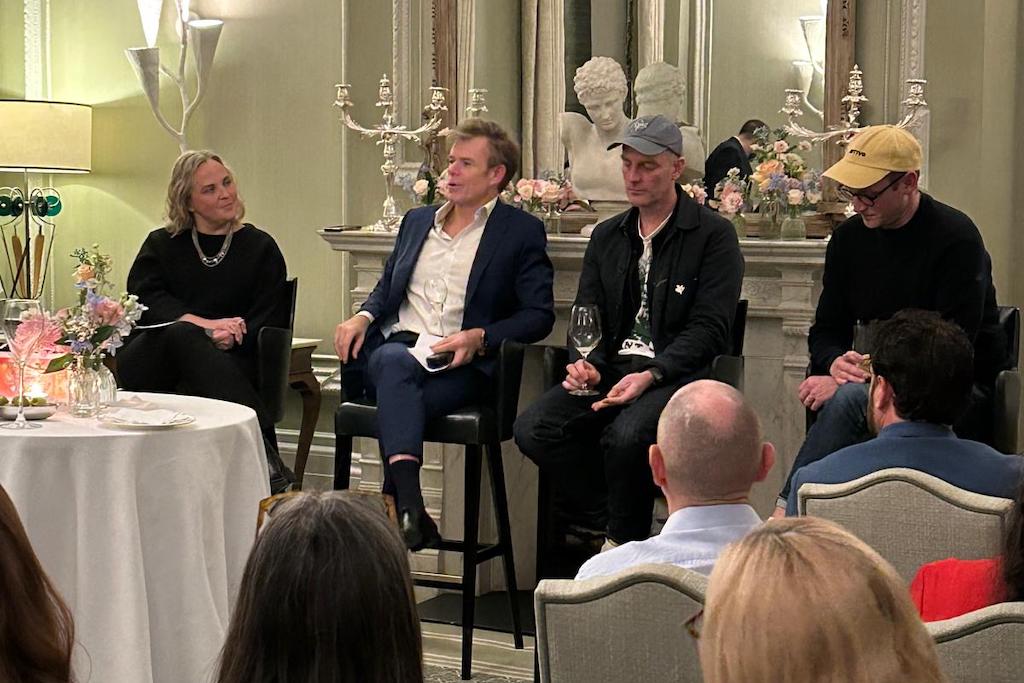
That’s exactly why I was excited to moderate the SITE GB Supper Club at Brown’s Hotel on redefining alcohol experiences at modern events. Dry January may have provided a timely hook, but the takeaway was clear. Mindful drinking isn’t a fad. It’s a guest experience shift, and the events industry needs to catch up.
The panel, featuring Paul Beavis (Wild Idol), Will Bucknall (Botivo) and Paul Mathews (Everleaf), brought a drinks-industry lens to an events-industry challenge. How do we make alcohol-free options feel premium, visible and genuinely inclusive? Between them, Wild Idol, Everleaf and Botivo represent a new generation of progressive, premium non-alcoholic brands, redefining what alcohol-free can look and taste like.
Visibility isn’t a detail. It’s by design.
If there was one message repeated on the night, it was visibility. When asked what the biggest mistake is, the panellists agreed that it is failing to make no and low options visible to everyone.
If premium no and low options aren’t obvious at the point of choice, guests often won’t ask. They’ll default to whatever is easiest.
This is where we need to catch up. Event planners have become brilliant at catering for every dietary requirement under the sun, yet on the drinks side we still too often rely on a one-size-fits-all default. We’ve created a world where “wine on the table” is automatic, yet someone not drinking often has to flag down a server, leave the table, or pay extra for something basic.
The fix is straightforward, but it needs to be designed in. Make premium no and low clearly visible on menus, at the bar, and on arrival trays alongside fizz, with clear labelling so guests can choose quickly and without awkwardness.
More broadly, parity matters. Do not make guests ask, hunt, or pay extra for basic alternatives while alcohol is on the table. Ritual matters too. Create celebratory moments everyone can join and remember, because glassware, serves and small details shape whether an option feels premium. Finally, execution matters. Choose serves that venues can deliver at scale, and brief staff properly so the experience is consistent.
The operational sticking point: packages, venues, and the minimum spend model
If there was one area where the room leaned in, it was this. Drinks packages still haven’t caught up. Planners in the room described venues pushing alcohol spend to hit minimums, while no and low options either weren’t included or became a chargeable exception.
We heard an important nuance too. Some companies are increasingly choosing not to sponsor alcohol at all, but they will pay for premium food and no and low options, driven by HR and responsibility concerns. That should be a wake-up call for venues and planners alike. The spending isn’t disappearing, it’s shifting.
So, if you’re a planner negotiating packages, specify no and low options with the same seriousness as wine. If you’re a venue, stop treating no and low as a side order and build it into standard propositions before clients need to ask.
The key takeaway from the evening is that a great no and low offering isn’t a wellness add-on or a Dry January gimmick, and it absolutely shouldn’t be an afterthought. It’s a sign you’ve thought about your audience, and it’s a marker of modern hospitality.
And perhaps that’s the real takeaway. Guests may not remember the wine, but they will remember how effortlessly included they felt.