
Think of Saint Lucia and most people picture the Pitons, or the endless white sand that graces the cover of every brochure. They are the cover stars, admittedly, but the version of the island I found on a recent showcase trip with the Saint Lucia Tourism Authority was warmer, more vibrant and far more human. In fact, I didn’t even catch a glimpse of the peaks until my last day — and by then I’d spent my time exploring markets, joining a street party and getting a real feel for local life. The famous views were still to come, but I’d already discovered why Saint Lucia has plenty to offer incentive groups beyond its beaches and headline sights.
It started before I’d even reached the hotel. I’d been advised to take a travel sickness tablet for the transfer from Hewanorra, and as it turned out, that probably wasn’t advice I should have ignored. The roads gradually twist and curve their way up the mountain for the best part of 70 minutes, but queasy feelings aside, the views, en route were incredible, and the first reminder that the best things on this island aren’t always the easiest to reach.
Castries: a taste of local life
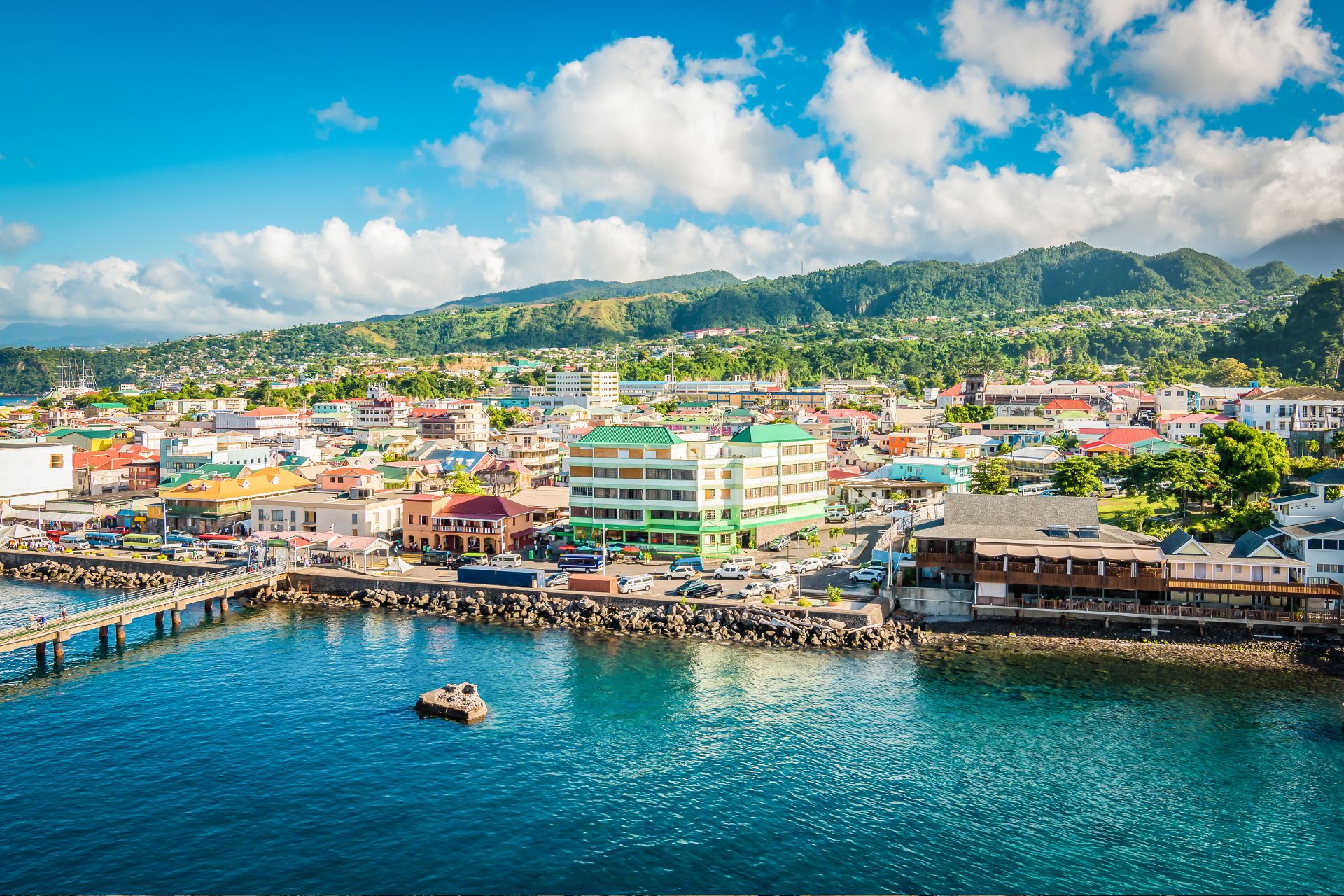
Castries was where Saint Lucia began to feel like more than just a pretty backdrop. We explored the capital’s incredibly colourful streets before heading into the market, where the best way to navigate was to follow our guide and see what caught our eye. We tried local fruits, such as a mamey apple, and a jackfruit so enormous that watching the elderly vendor slice into it was a spectacle in itself. It was hot, so fresh coconut water, served by a man wielding a machete, was also very much welcomed. Cherry-flavoured cassava bread, a sweet take on a Caribbean staple, was handed out as we traversed the aisles. It was a sensory overload in the most fantastic way, and a reminder that getting to know a destination doesn’t always require an elaborate activity.
I was reliably told by our guide that “the best food is cooked in coal pots because they retain the flavour” — so it seemed fitting that my first time trying traditional Saint Lucian food was at The Coal Pot restaurant, overlooking the water at Vigie Marina. A wide choice of freshly caught fish was on the menu and the setting was just as appealing as the food, with a laid-back atmosphere which allowed plenty of time for lunch to stretch out a little longer.
But lunch was only the warm-up. It was a Friday, and if there’s one thing locals and visitors alike know, it’s that Friday night belongs to Gros Islet. Forget the cocktail party and the formal attire. The weekly street party starts with a cold Piton beer pulled from a cooler in the back of a truck, a rum punch from a street vendor and a crowd of locals who are only too happy to have you swaying to Bob Marley alongside them. It was so communal that it felt like a night out with half the island. Whilst it might not be the obvious choice for groups expecting a sit-down dinner, for delegates who want the real Saint Lucia, there’s no better way to feel part of it.
A different side to Saint Lucia’s history
Saint Lucia is the only sovereign country named after a woman, and women are a central part of its history too. It’s a complex story, shaped by French and British colonial rule, slavery and the long struggle for freedom. Below Saint Lucia, the new sculpture park off the southwest coast, is one of the most creative ways I’ve come across to explore that history.
This underwater museum turns the island’s past into a 45-minute dive, from its first indigenous settlers through colonial rule, slavery and emancipation to the change makers of today and is suitable for 20 divers at a time. It’s a unique take, while feeling very fitting for a destination so well known for its diving.
Two women freedom fighters, one holding a gun and the other a broken shackle, appear in the gallery on slavery and freedom, and the honoured change makers include Nobel laureates Sir Arthur Lewis and Derek Walcott, and Dame Pearlette Louisy, the island’s first woman Governor-General. Donalyn Vittet called it the largest public sector tourism investment the island has made since 2010. Not a diver? Don’t fret. A snorkel-friendly culture park and an underwater dive school for conservation and training are due to follow towards the end of 2027.
Making a difference locally
There’s no shortage of ways to give back in Saint Lucia, and plenty of them could work well for groups. At the Transit Home, a residential programme supporting children and young people, we learnt about the work they do and then planted vegetable seeds with the children. It was a simple activity, and yet a very humbling and memorable one. Community tourism is another option. Experiences such as art gallery tours, e-biking, farm-to-table and sea moss mean groups spend their money directly with local people. For something more hands-on, SLTA points to coral gardening and reef restoration, turtle nesting protection and beach clean-ups, all led by local organisations.
Supporting local communities is one way to connect with Saint Lucia; supporting the industries that are part of its identity is another. At Rabot Estate, near Soufrière, chocolate-making comes with a deeper story about the island’s cacao industry. Hotel Chocolat bought the estate in 2006 and has since worked to support the revival of cacao farming on Saint Lucia, alongside its own approach to sustainable farming. The Project Chocolat experience offers a taste of that work, with a hands-on session where guests learn about the journey from cacao bean to chocolate bar, and make one themselves — although I may have been slight overzealous with the salt in mine.
For incentive planners, Saint Lucia has plenty to offer beyond its beaches and scenery, with local food, culture and experiences that bring you closer to the island and its people. I didn’t see the Pitons until my final day, but by then I’d discovered so much more that the famous peaks felt like a bonus rather than the main event. The postcard views are stunning, but it’s the people, culture and experiences behind them that make Saint Lucia worth the trip.