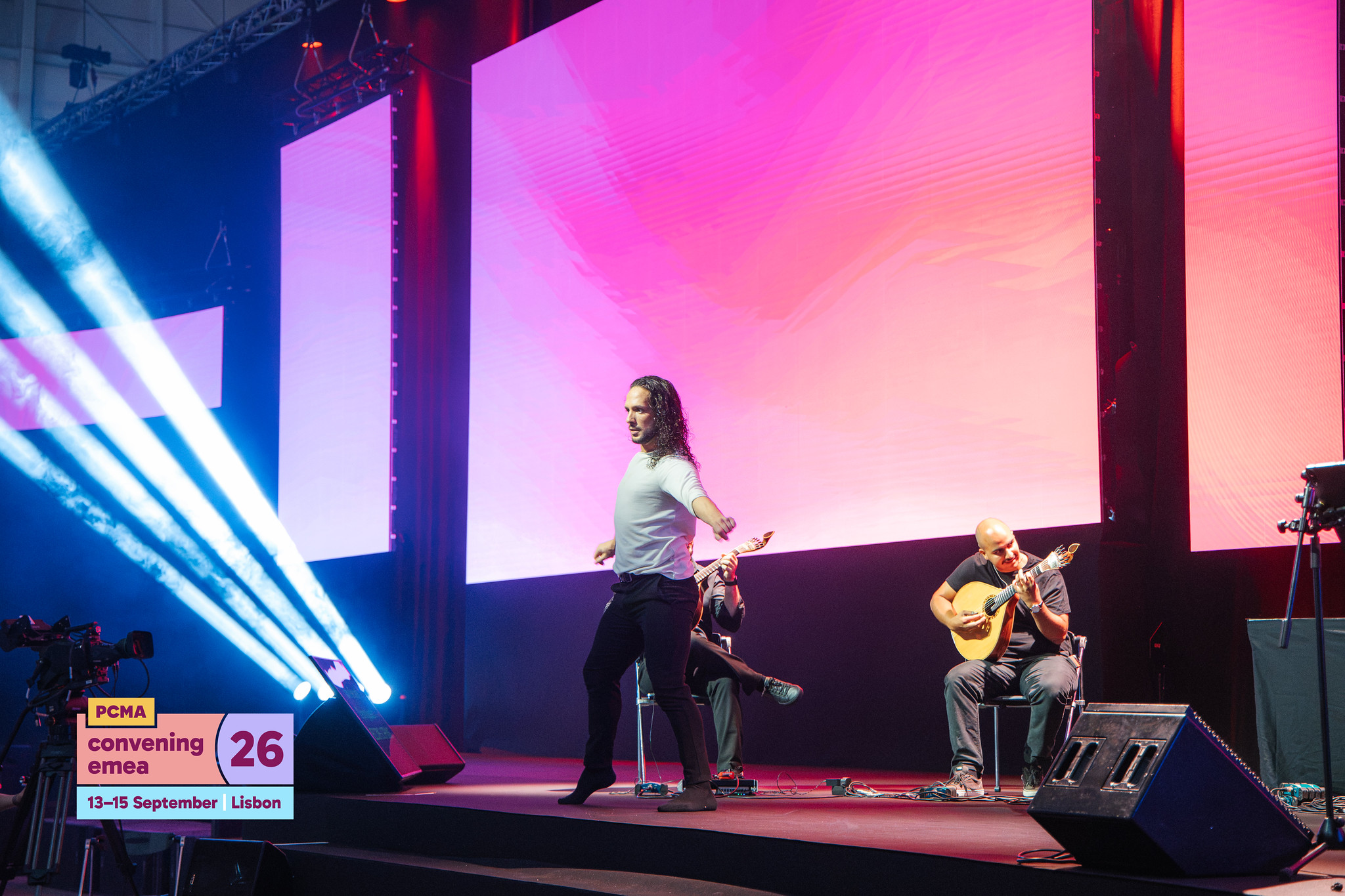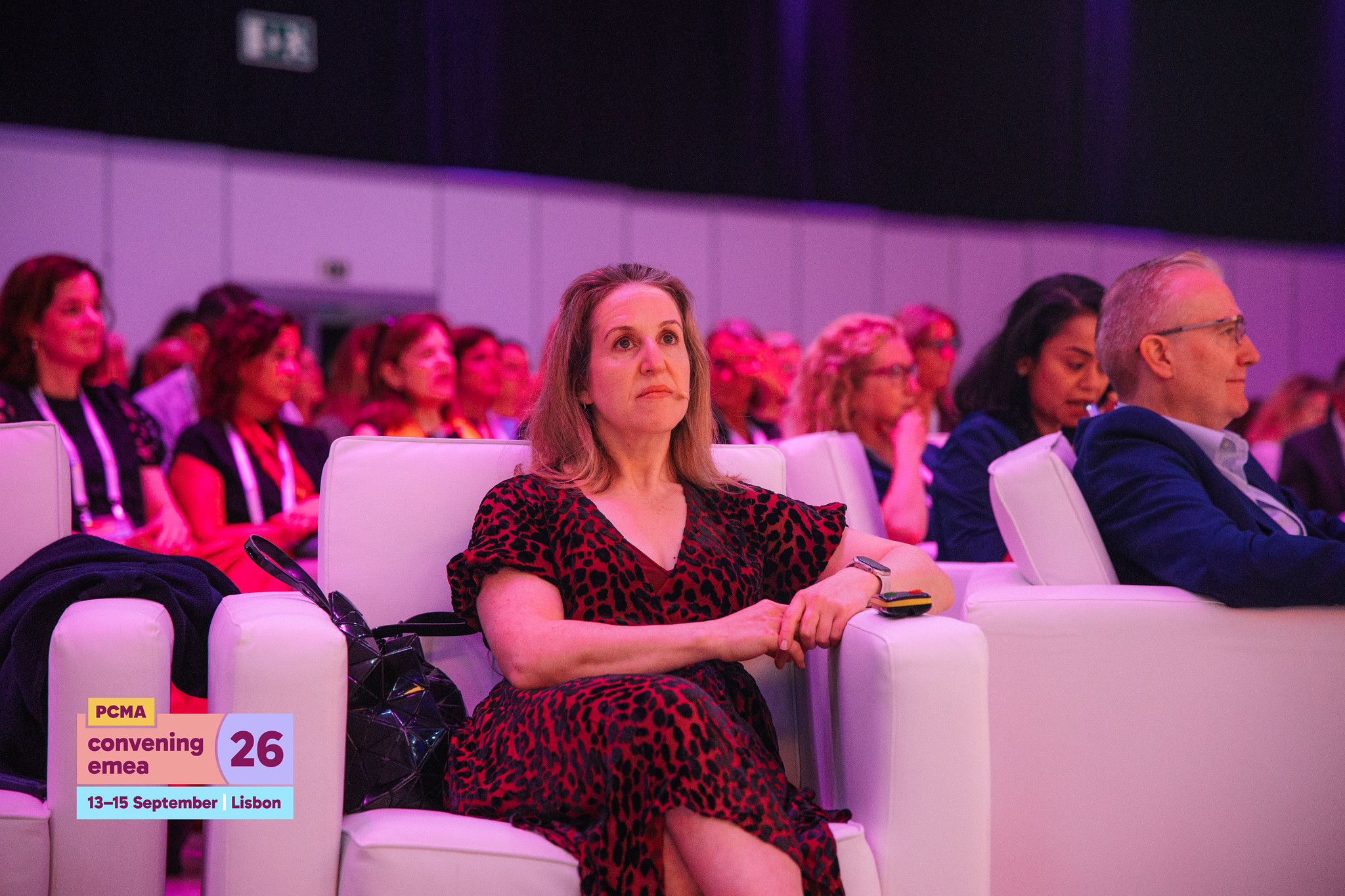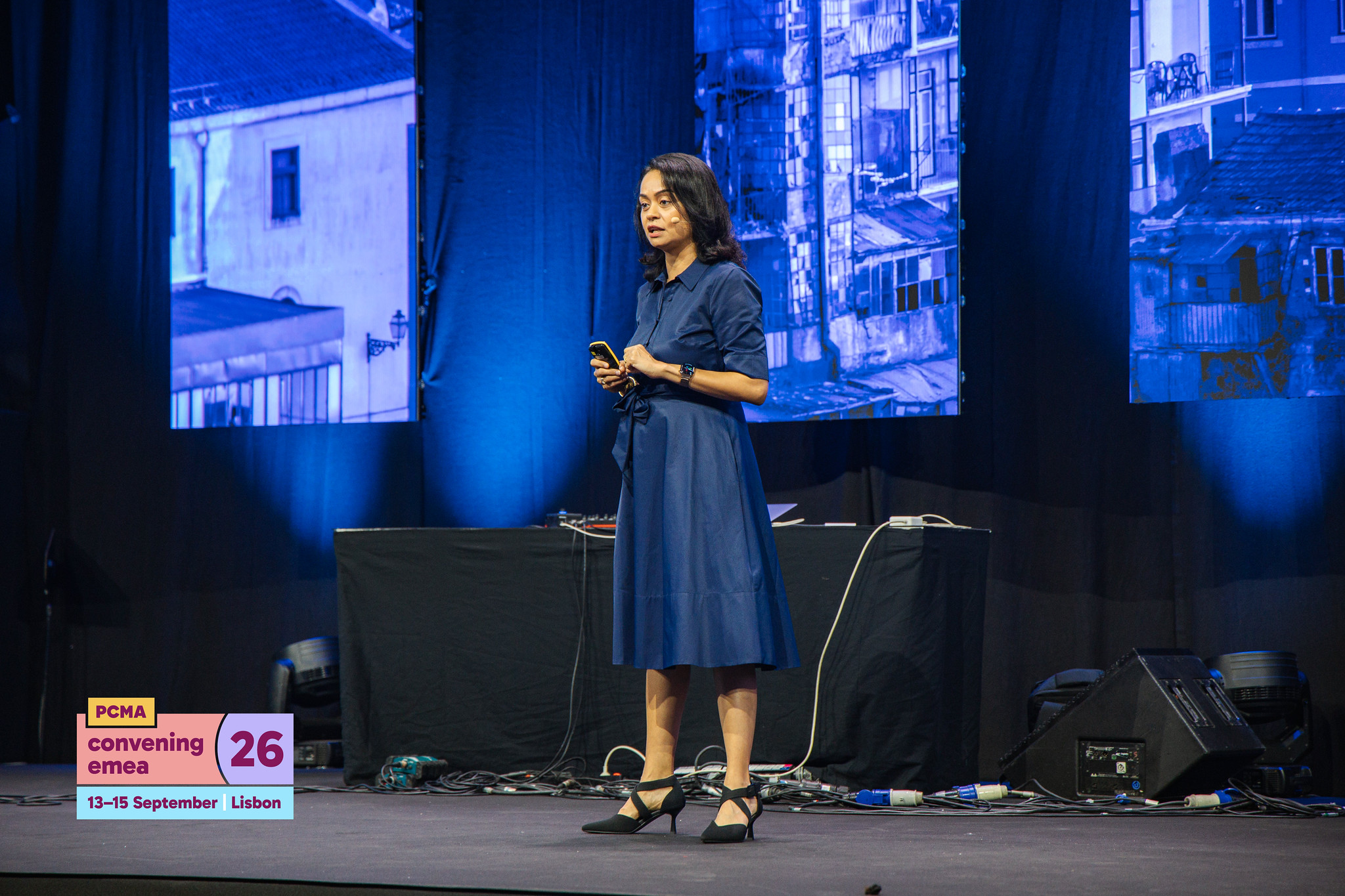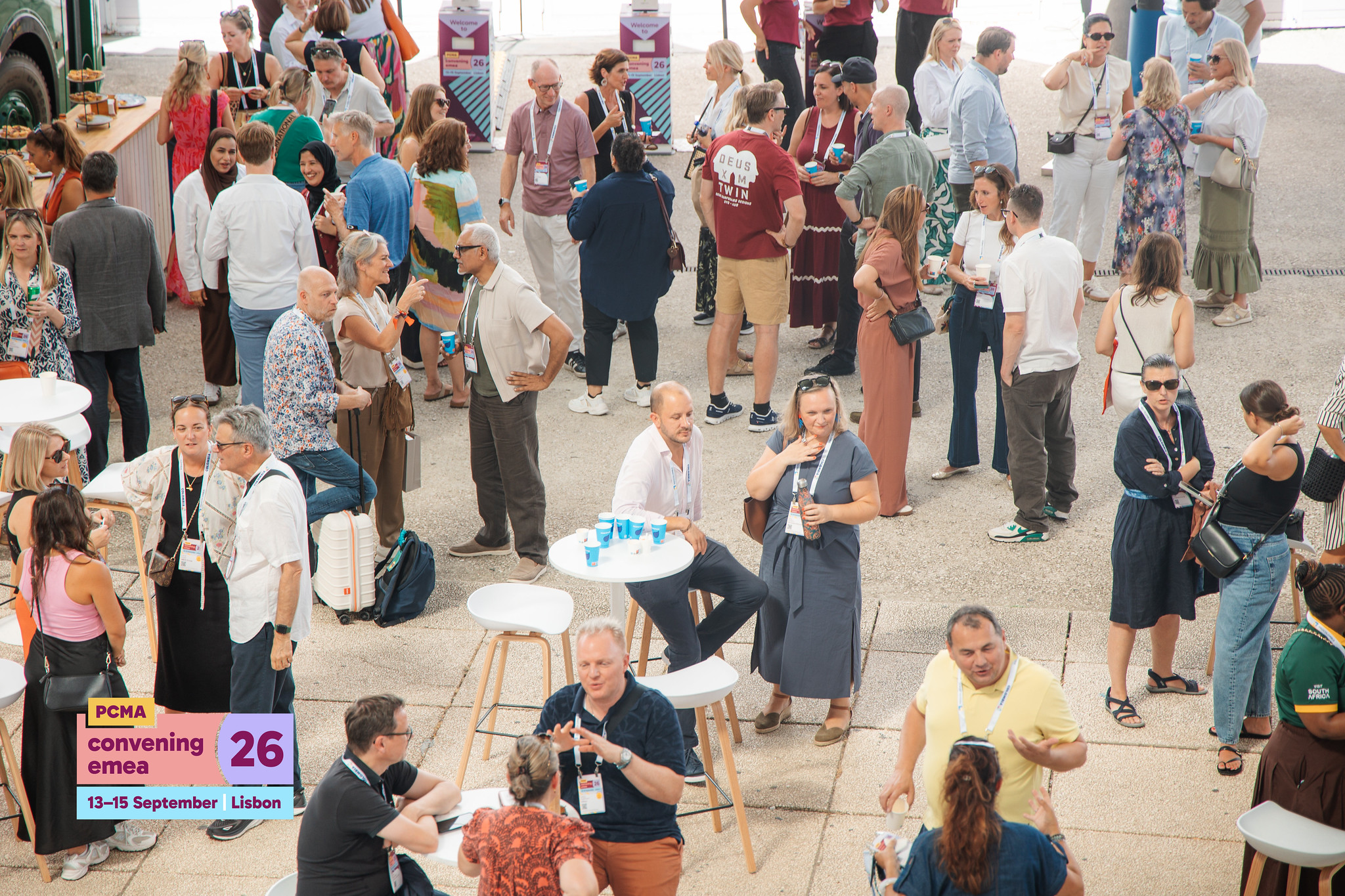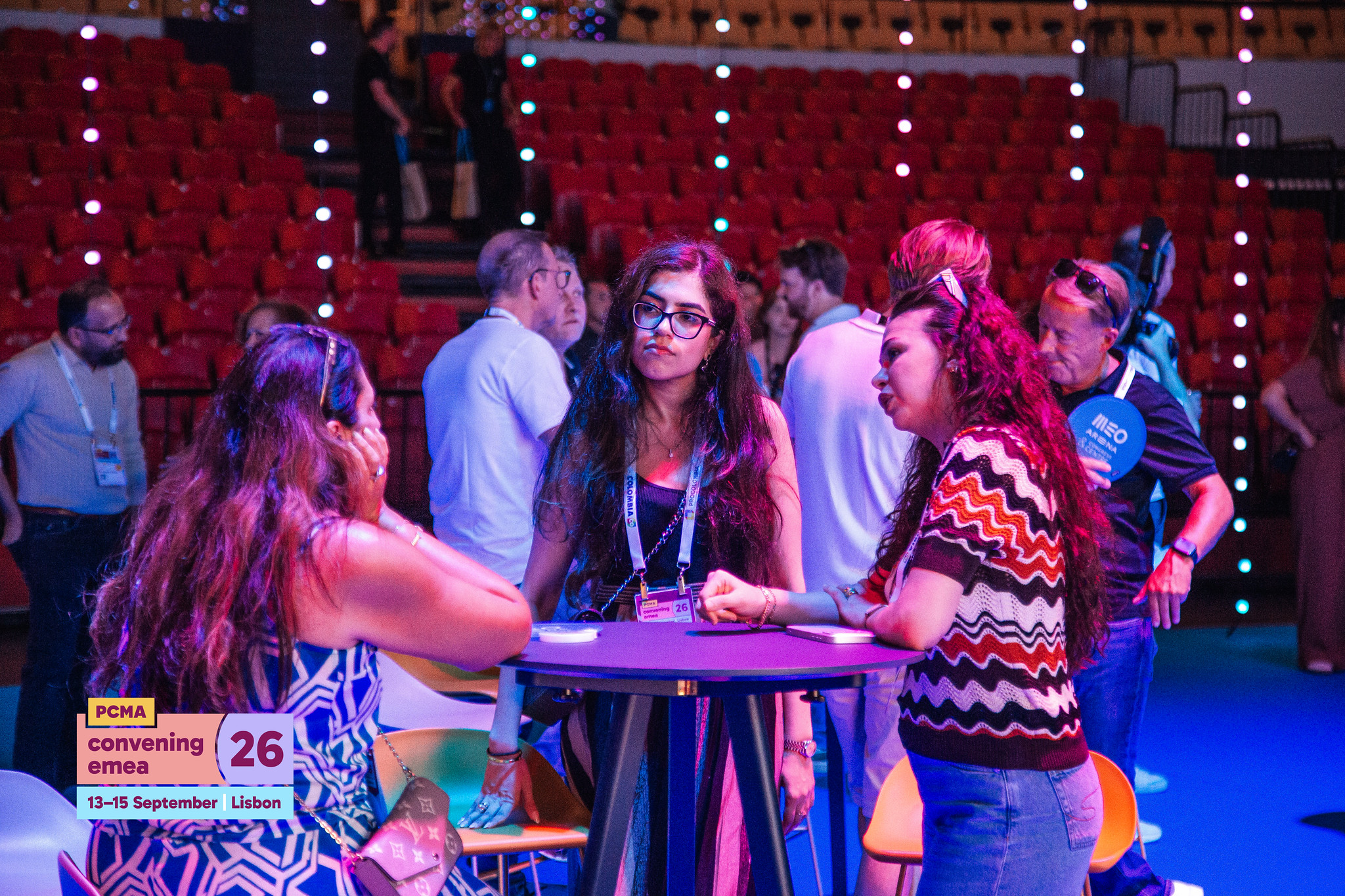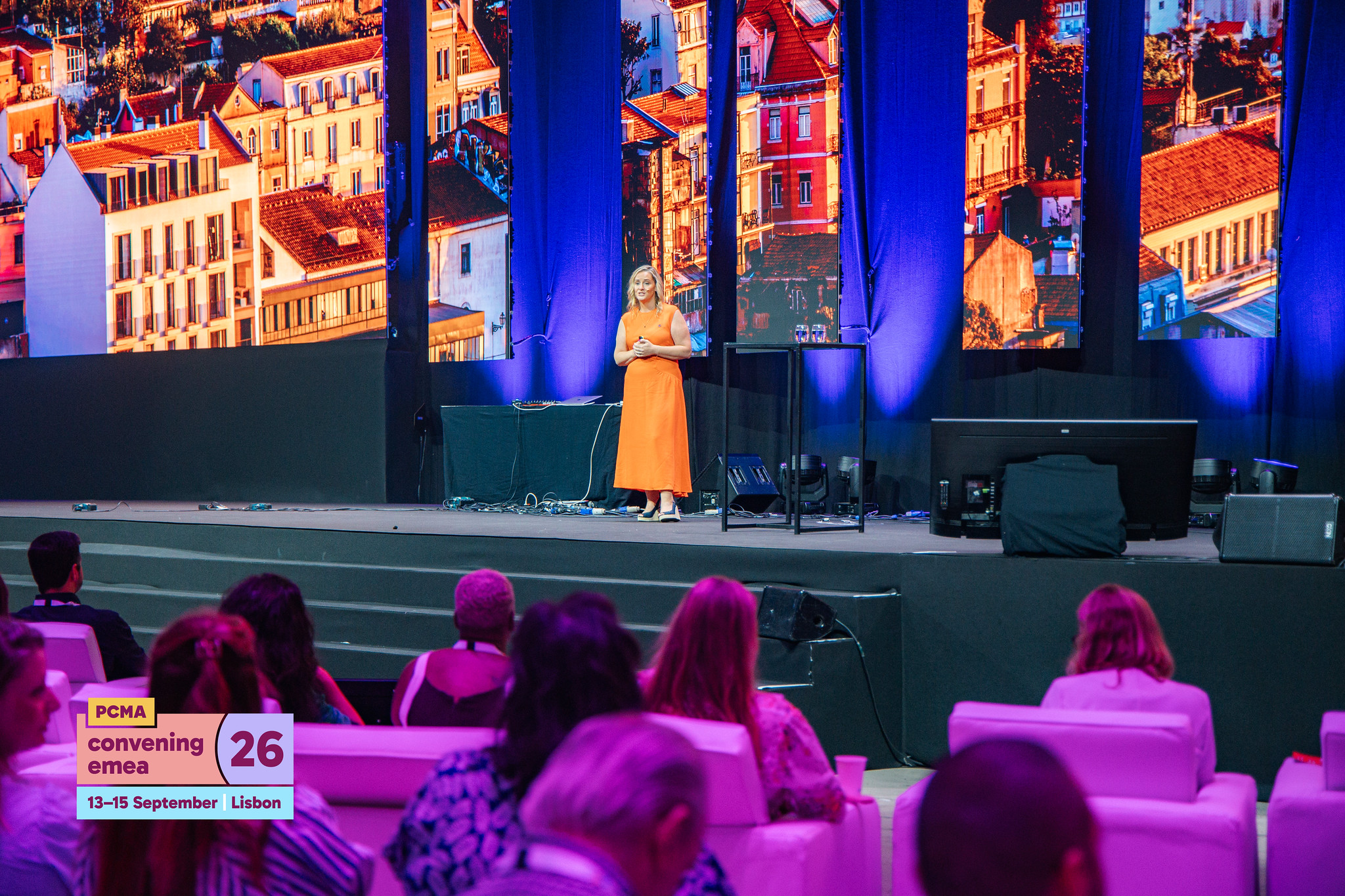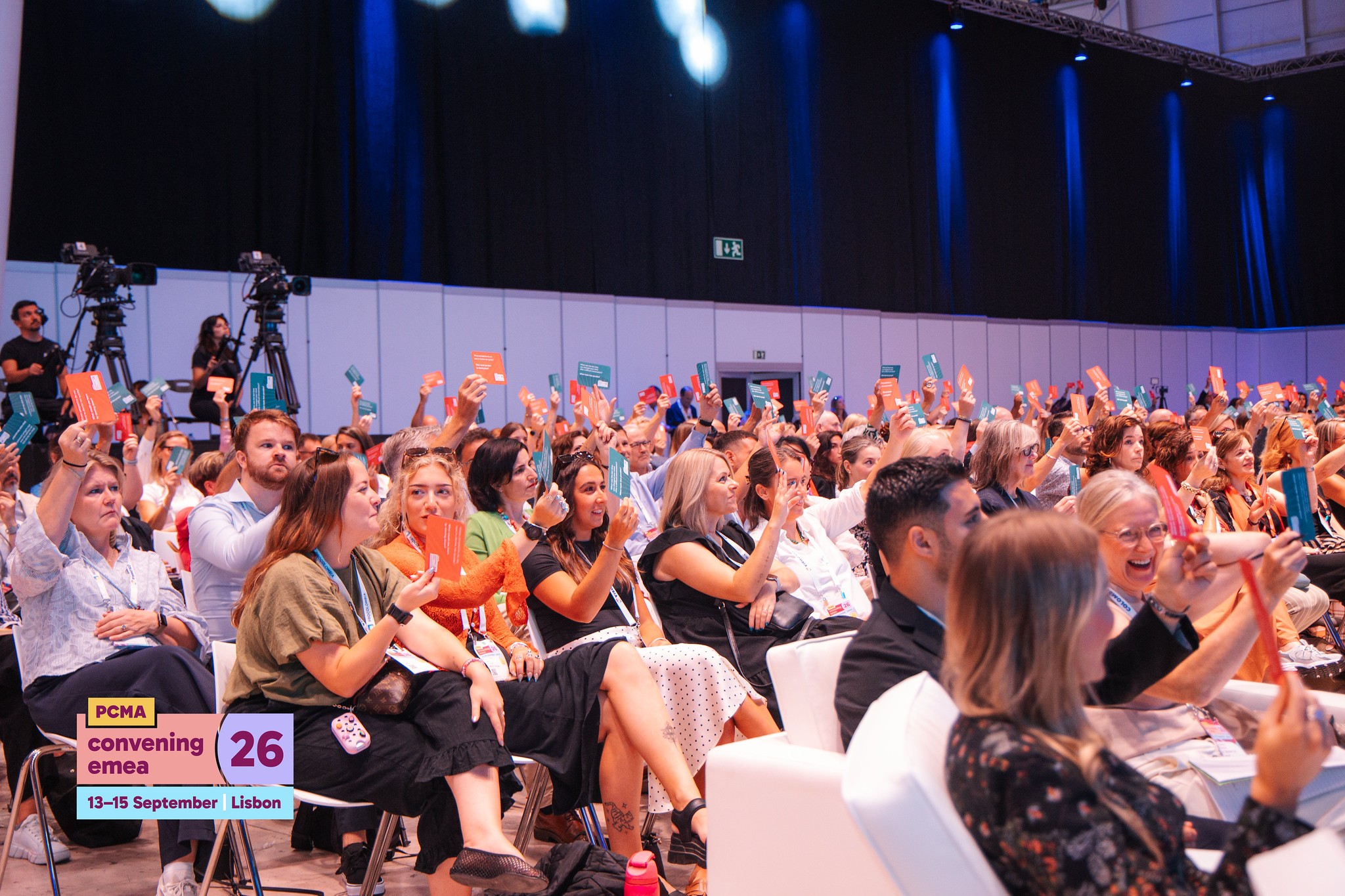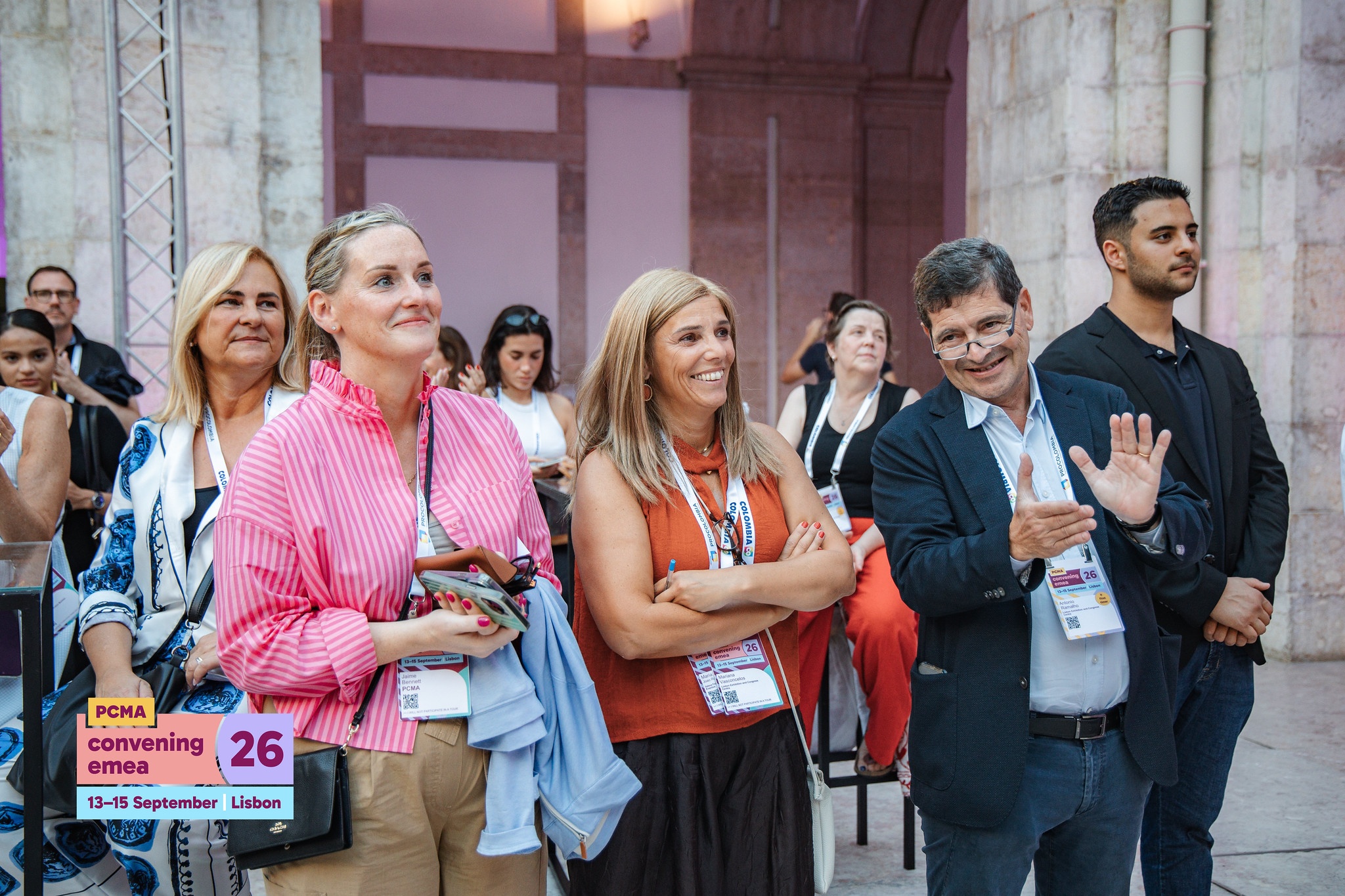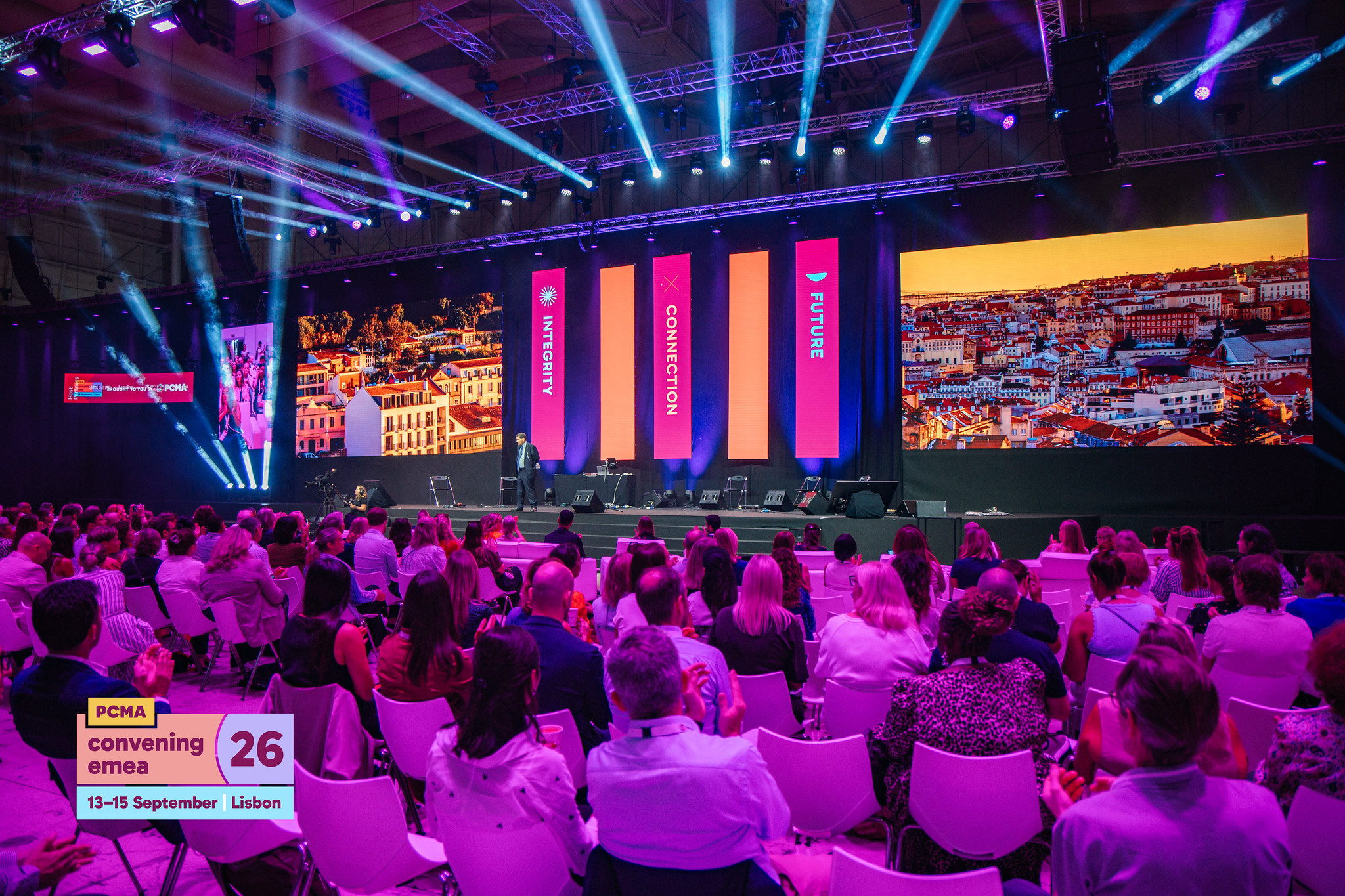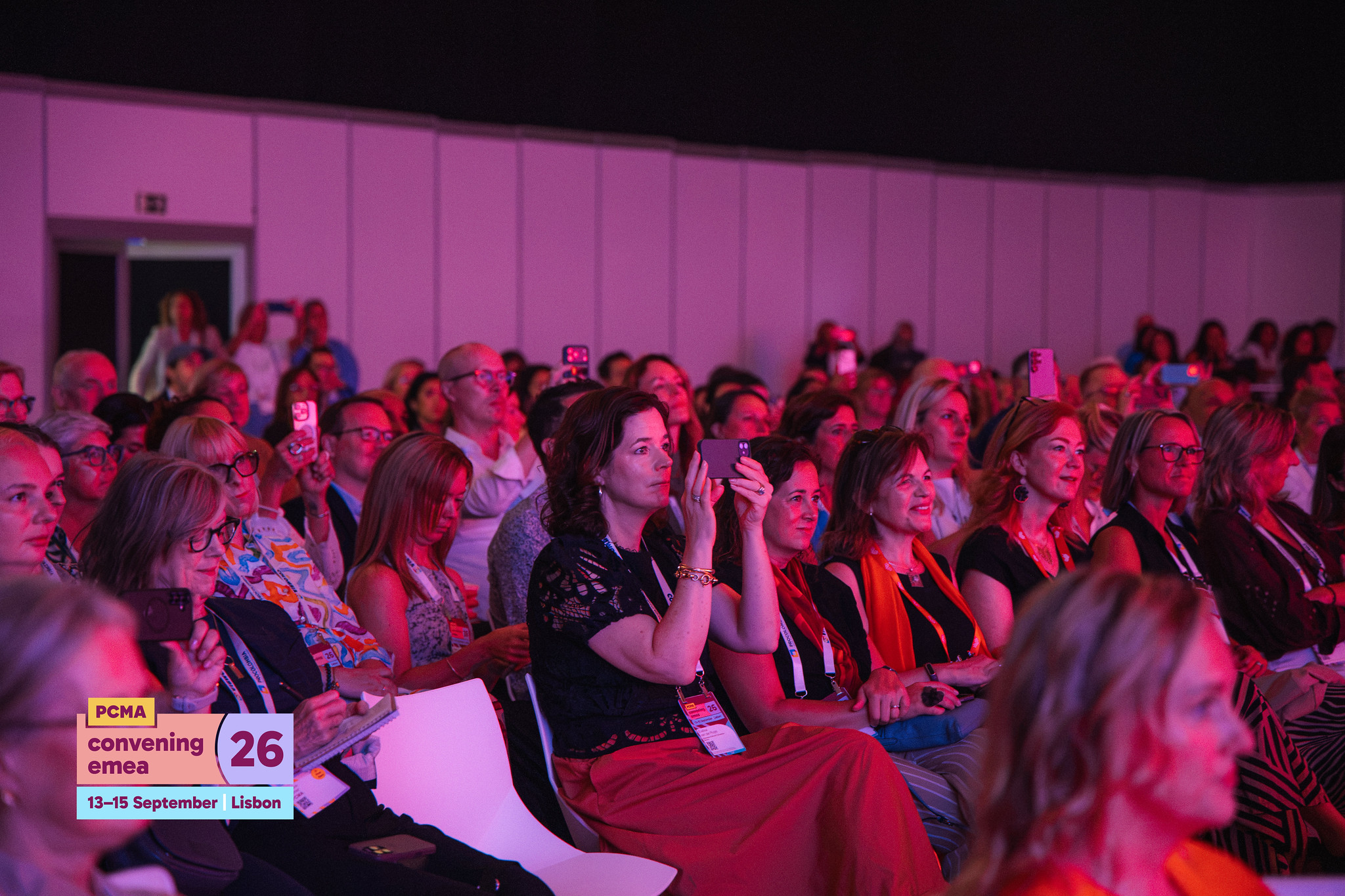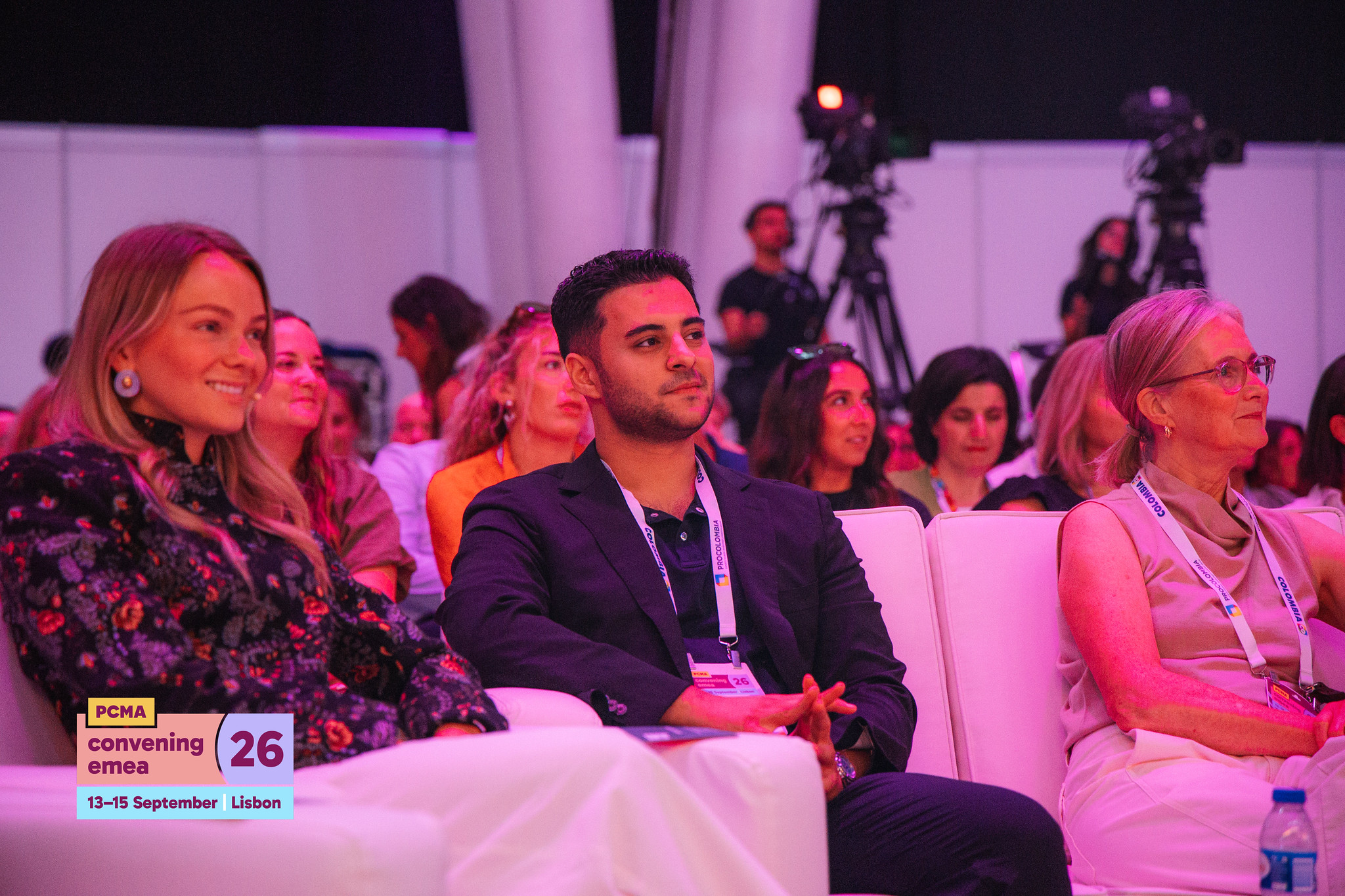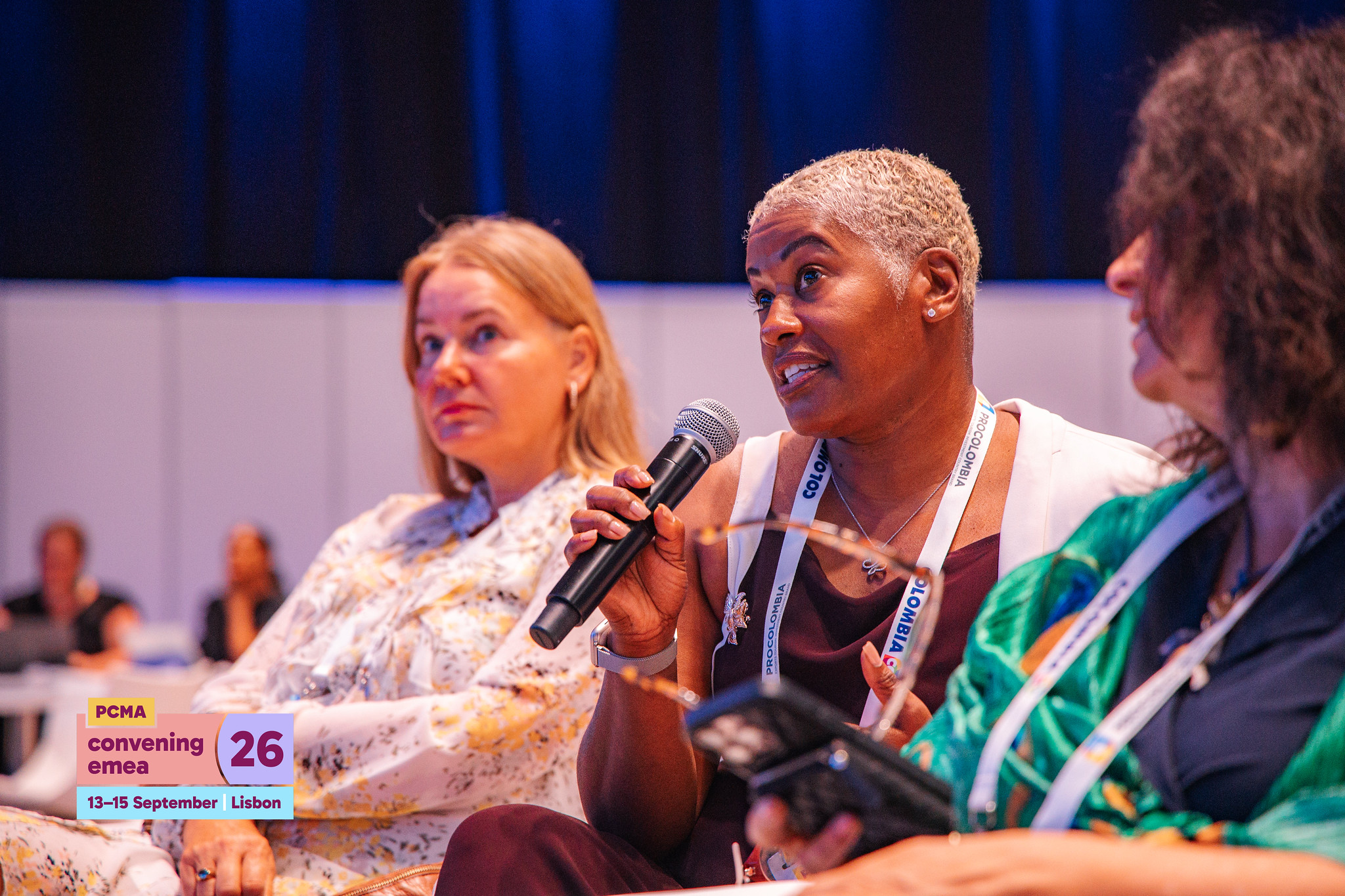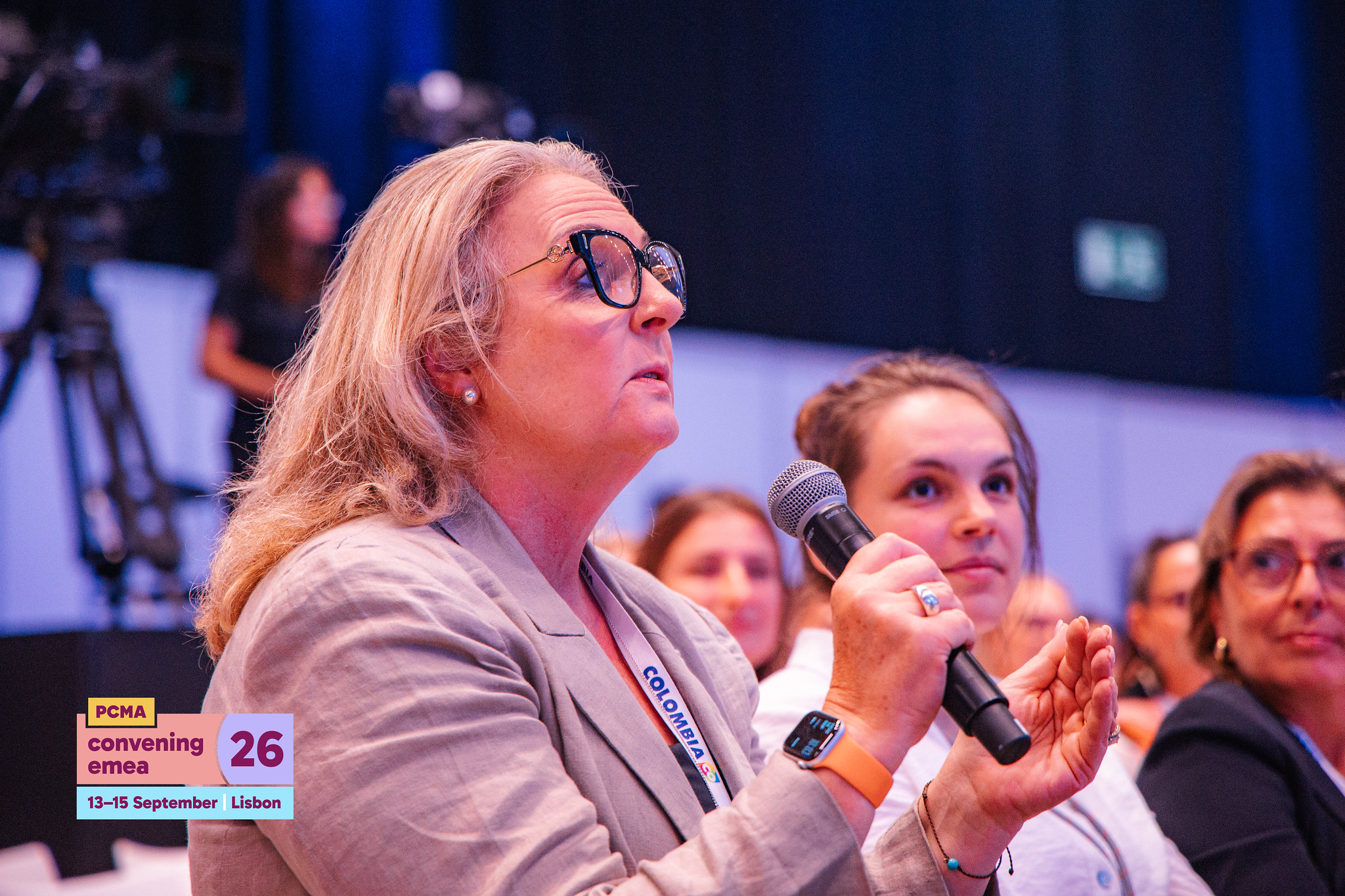
From protecting audience attention and navigating polarisation to identifying the skills that will matter most in an AI-driven world, PCMA Convening EMEA 2026 tackled some of the biggest issues facing event professionals.
The changing role of the planner and growing pressure to connect events more clearly to business strategy were also high on the agenda at the three-day programme in Lisbon last week.
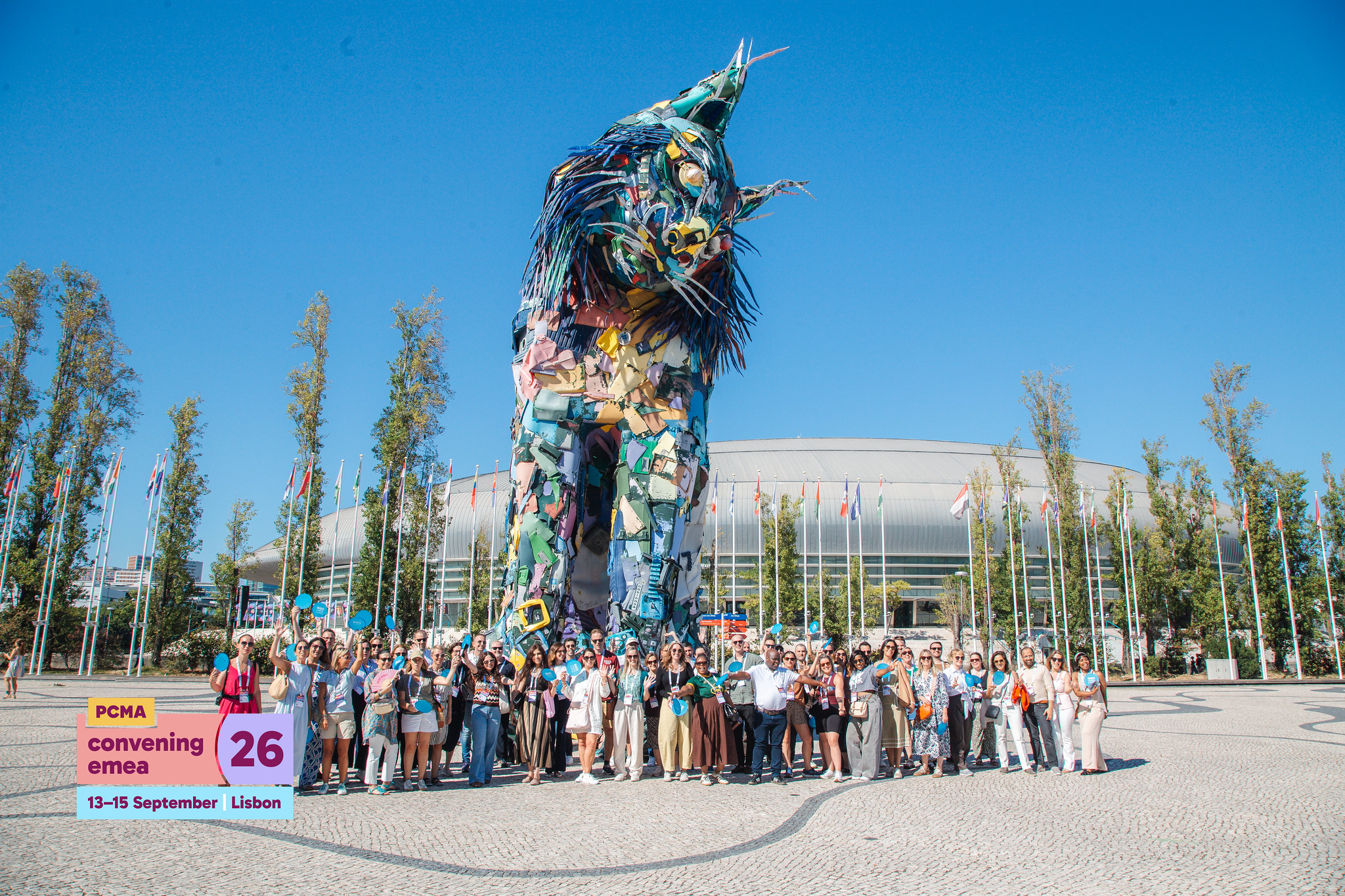
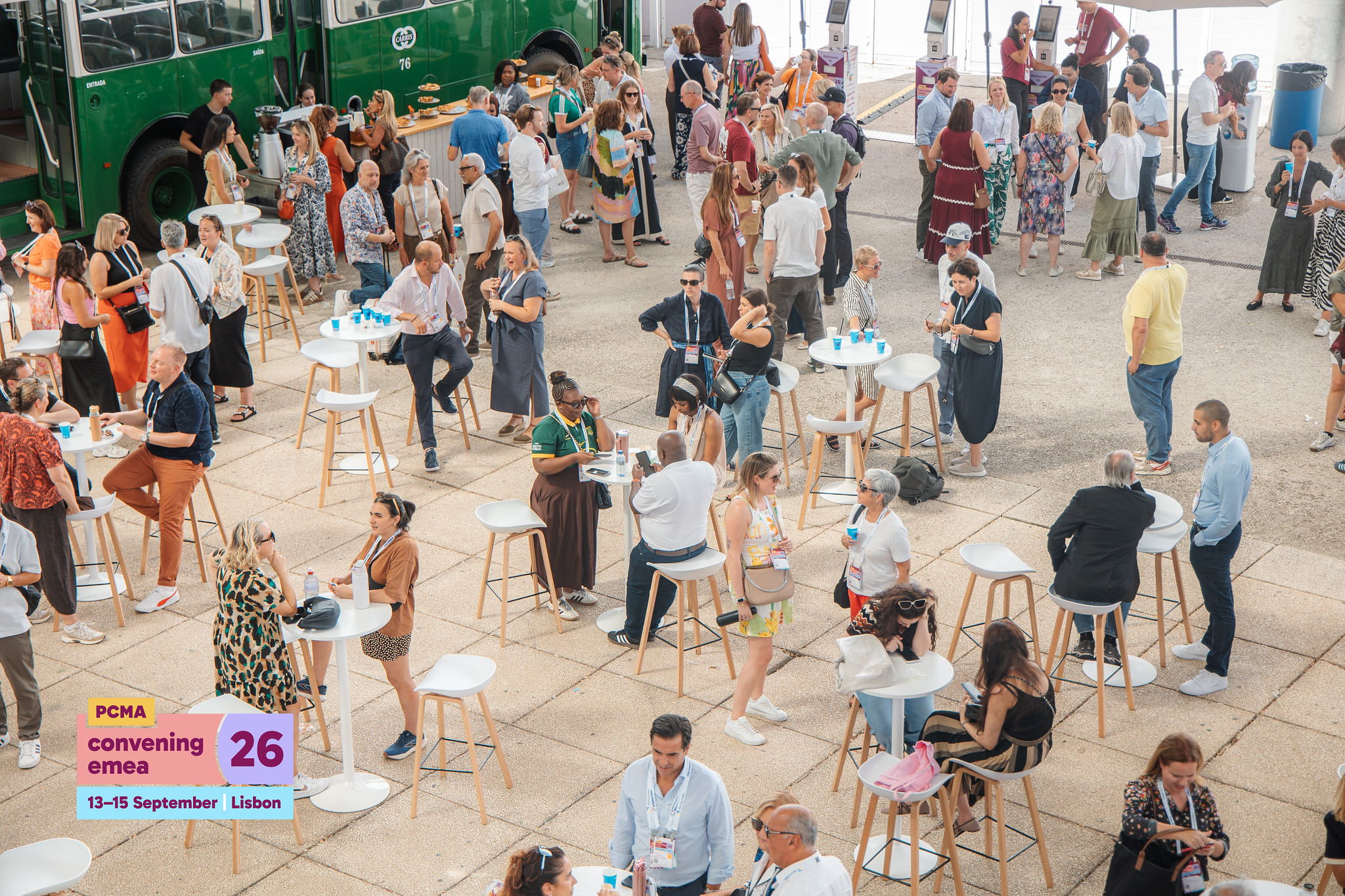
The event welcomed 565 in-person attendees and reached 814 participants across its global digital audience, with 42 countries represented, making it the largest Convening EMEA to date.
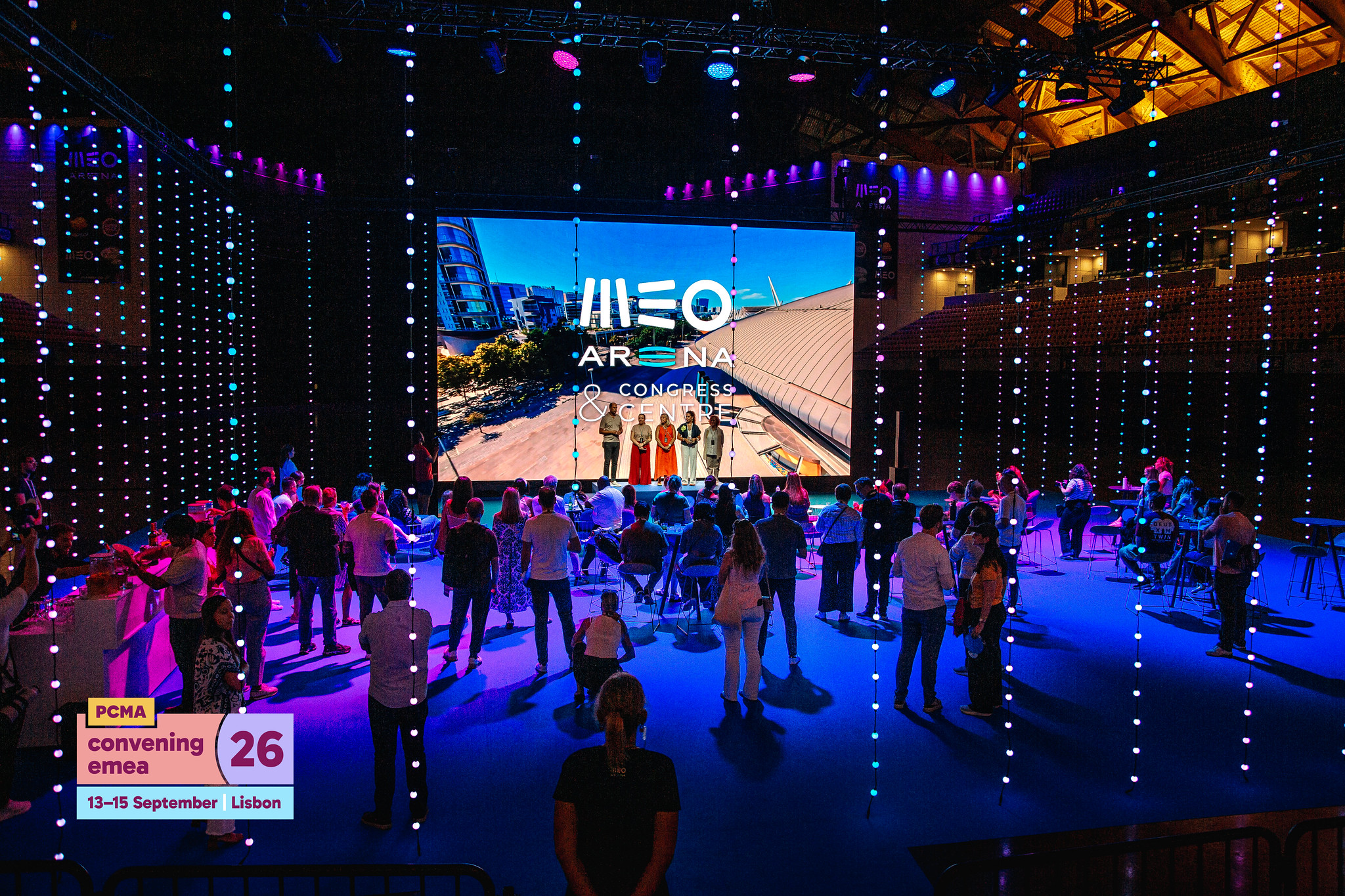
Held at FIL – Lisbon Exhibition and Congress Centre from 13-15 September, the programme was built around three pillars: integrity, connection and the future. Main-stage keynotes were combined with workshops, smaller discussion formats and experiences across the Portuguese capital.
It was my first time attending a PCMA event, and I came away with plenty to reflect on along with some great new connections. Here are five of my key takeaways from Lisbon…
1. Connection needs to be designed as an outcome
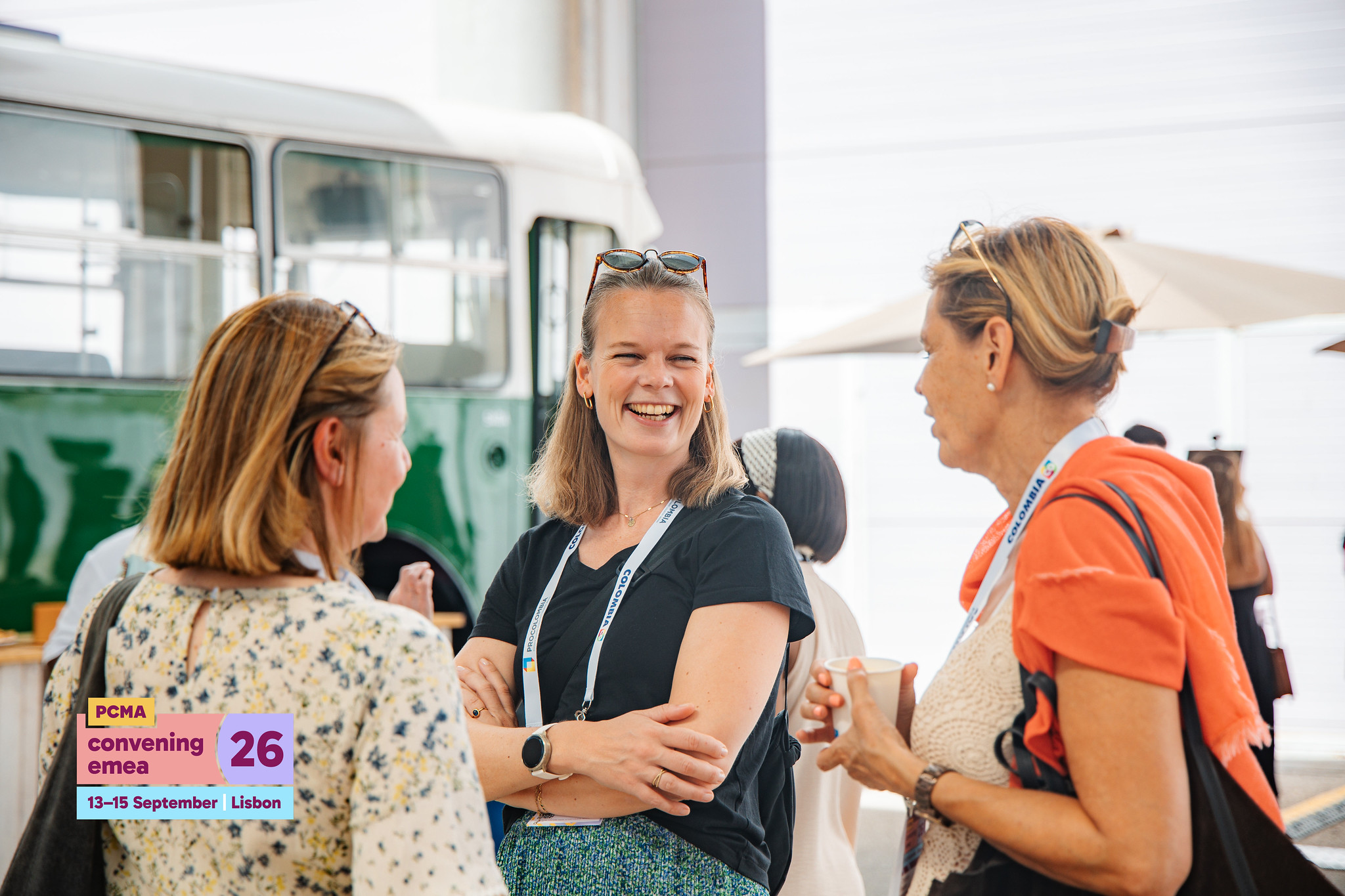
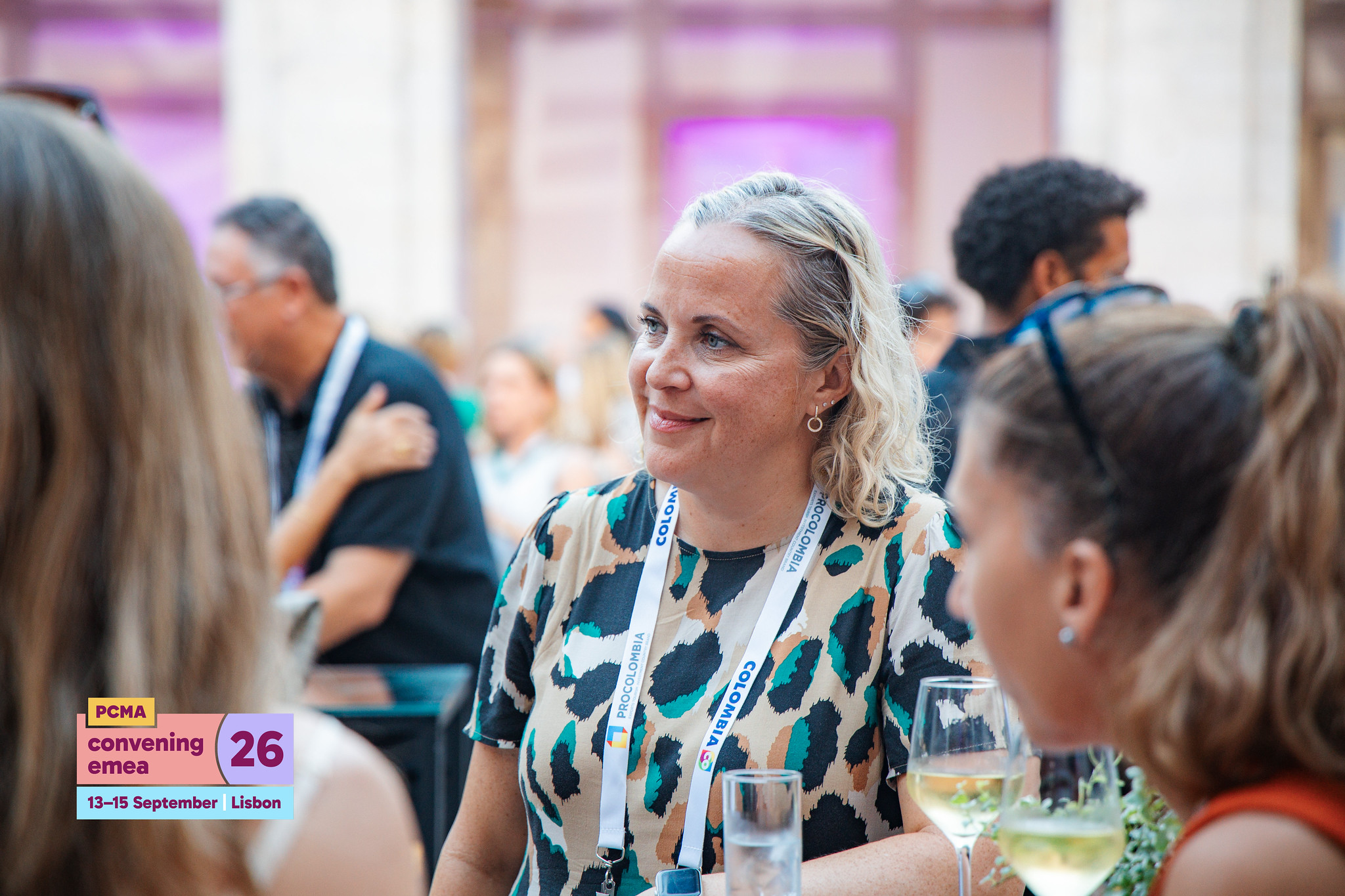
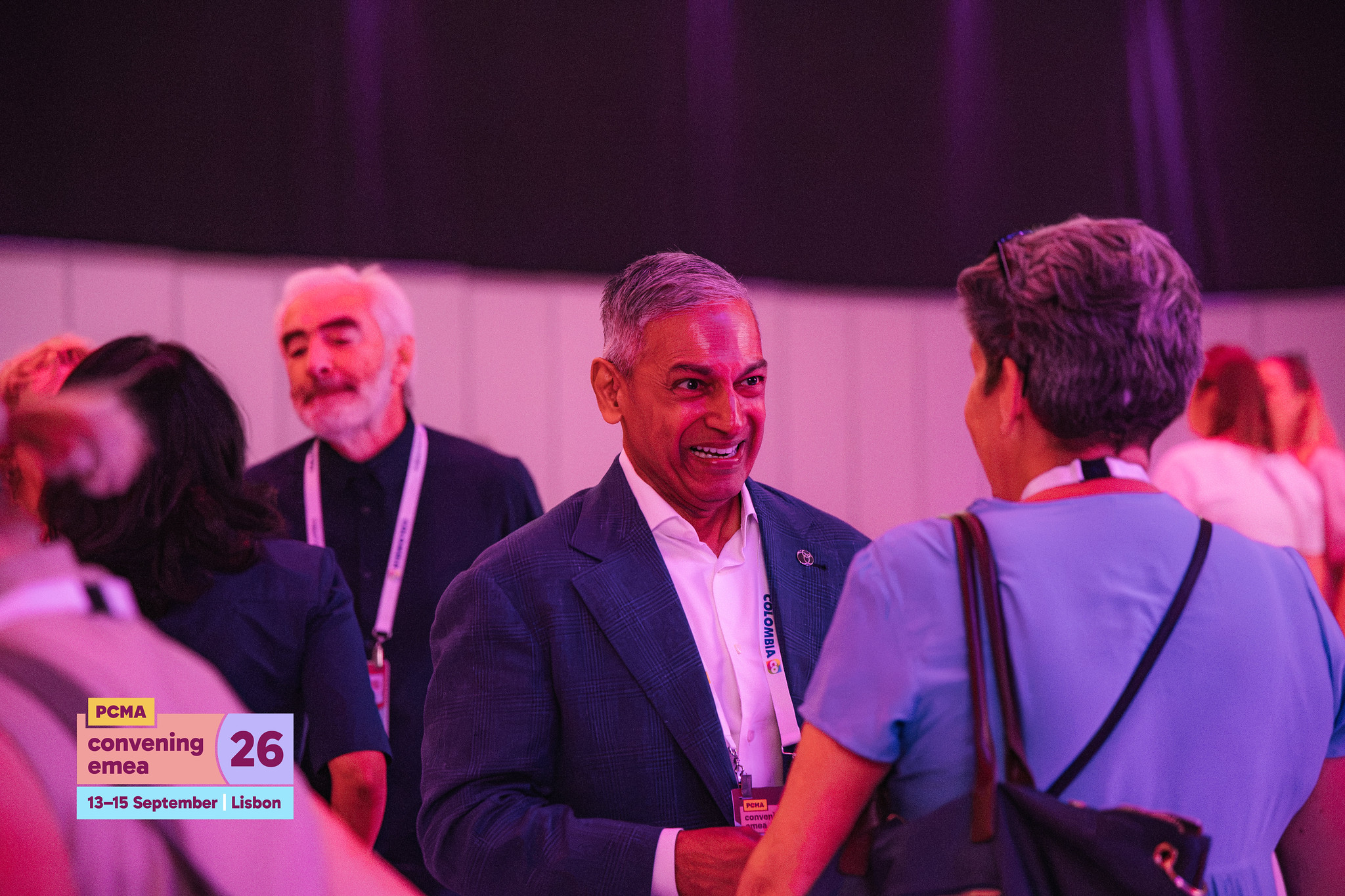
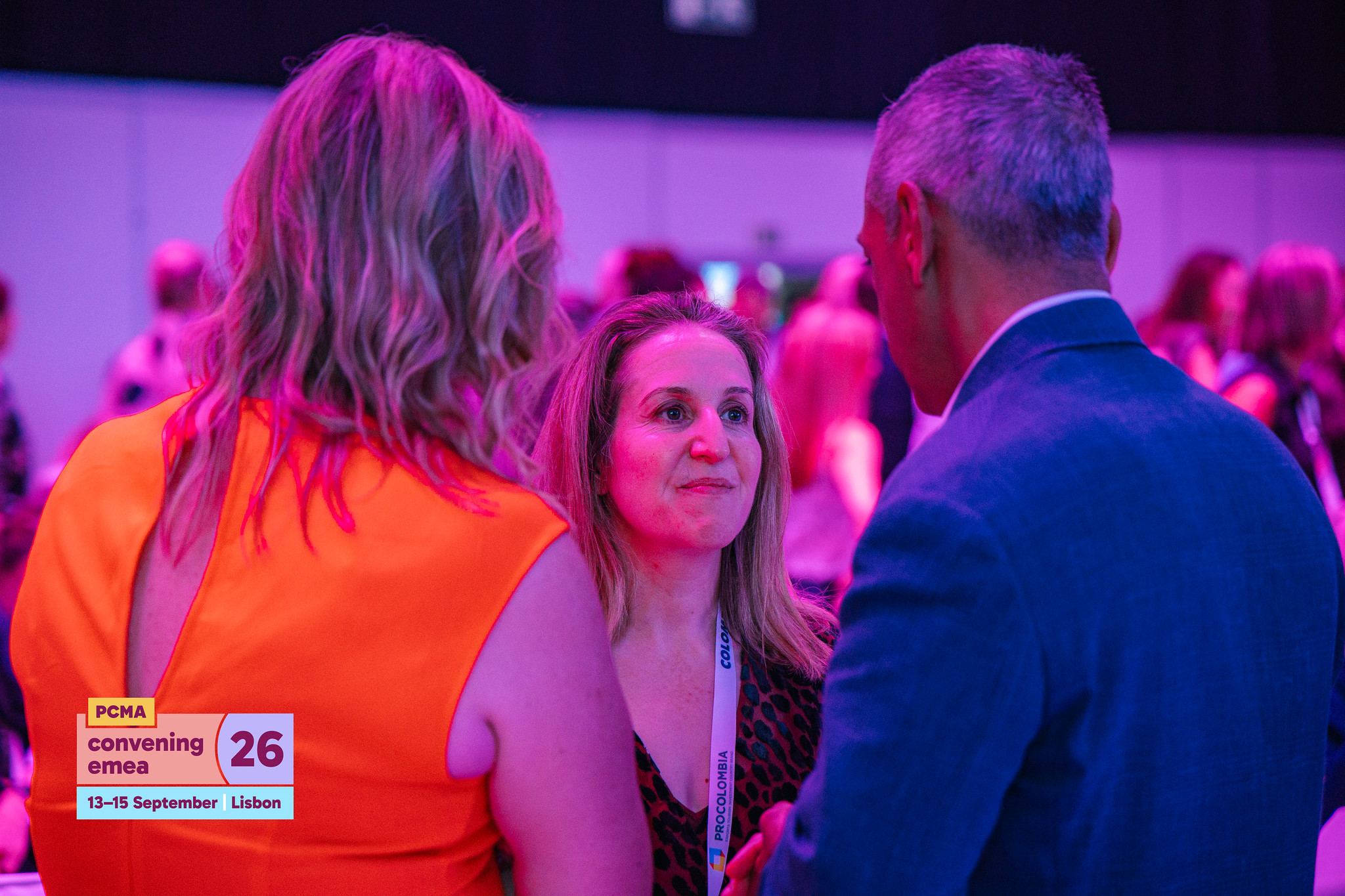
Human connection ran through almost every session, but this was about more than simply making the case for face-to-face events.
Opening Convening EMEA, Jaime Bennett, managing director EMEA at PCMA, acknowledged the volume of content, technology, platforms and opinions competing for people’s attention. The programme, she said, was intended to help attendees cut through that noise and focus on what mattered.
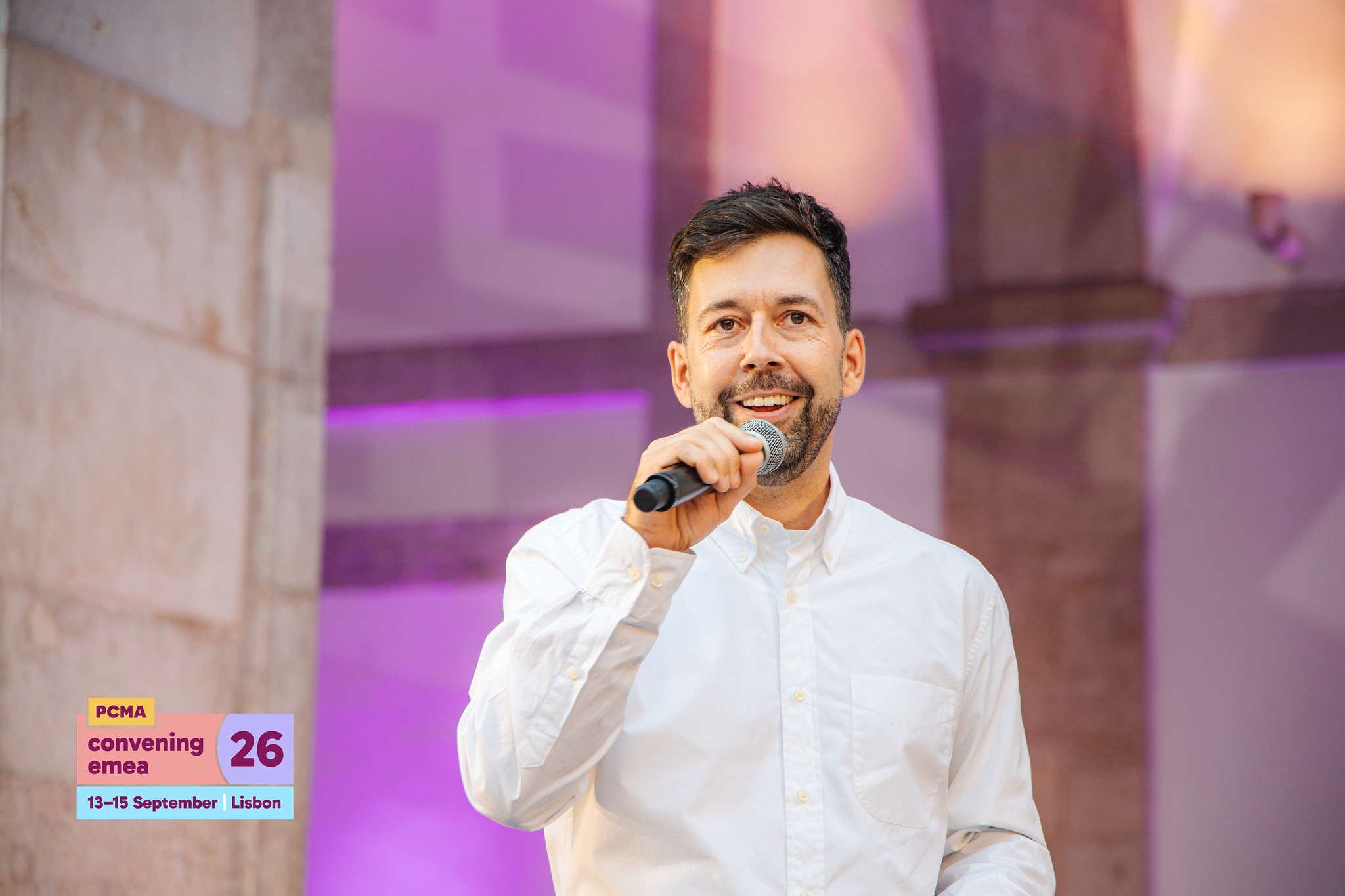
Main-stage host Felix Rundel took that thought a step further. Connection may once have been viewed as the welcome by-product of a successful event, he argued, but it now needs to be deliberately designed as one of its outcomes.
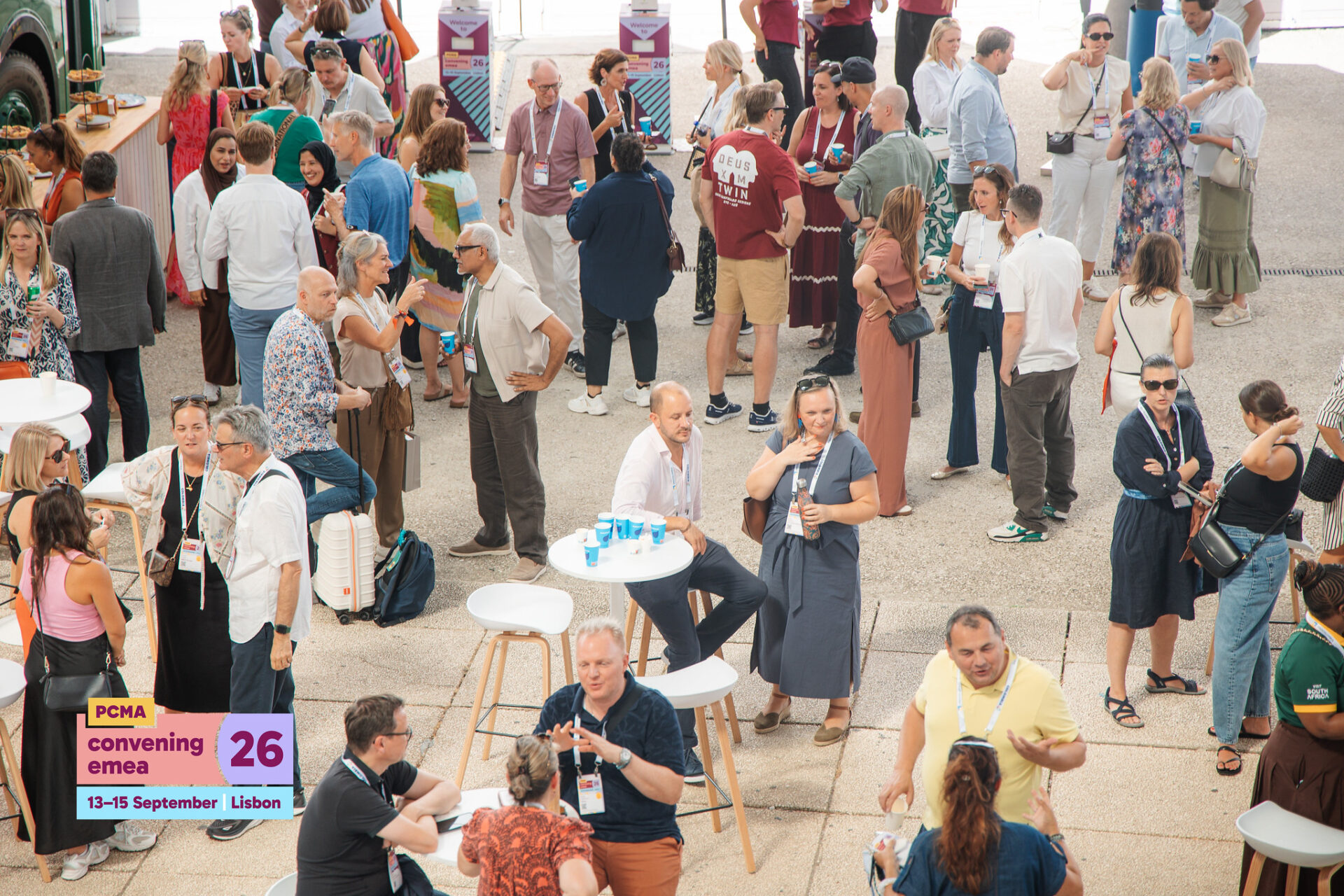
That principle was reflected in the structure of Convening EMEA itself. Alongside main-stage content, the programme included Micro Labs, Insights Series sessions, Level Workshops and Connection Starters, as well as dedicated wellness moments and opportunities for cross-generational exchange.
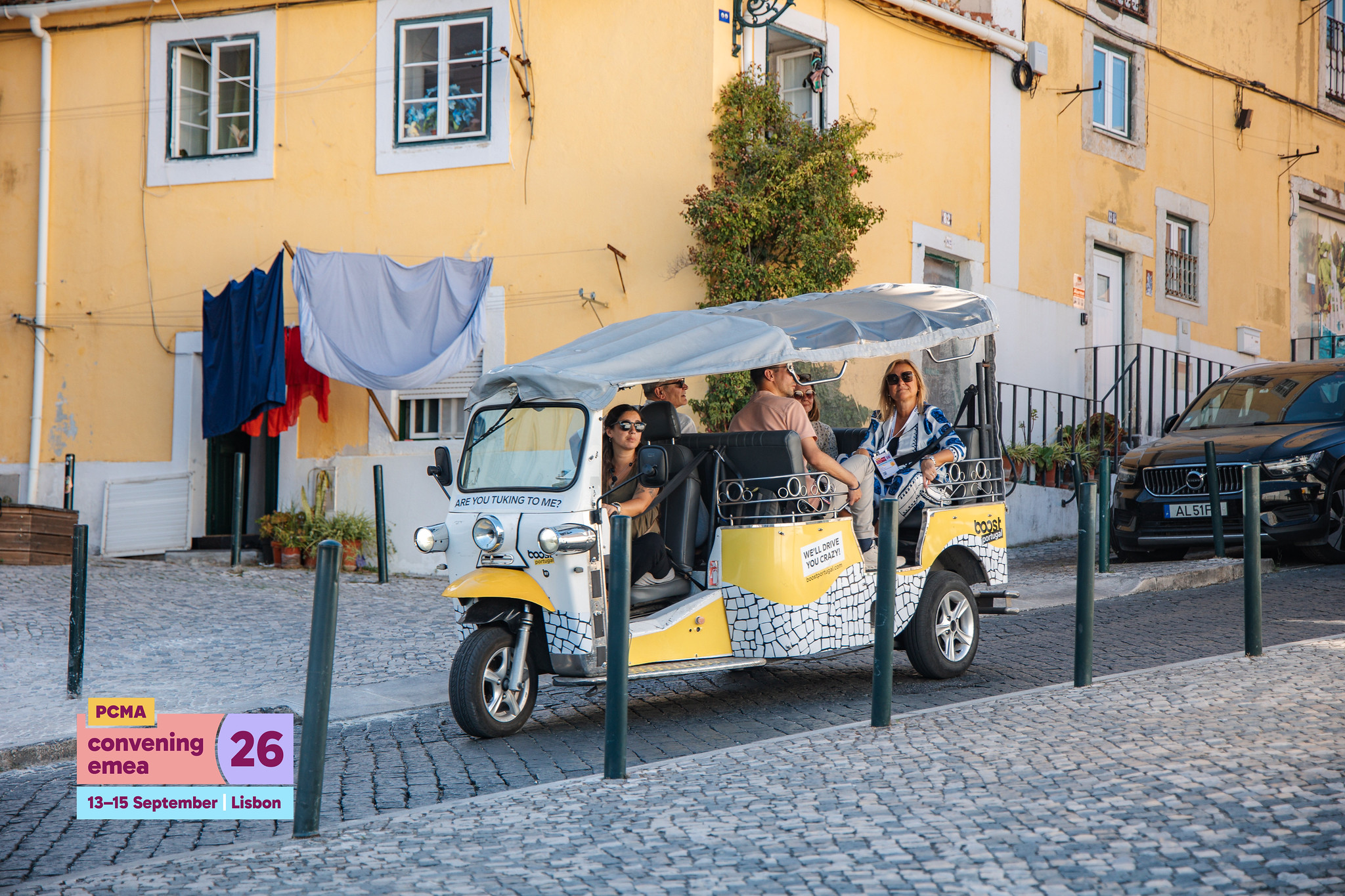
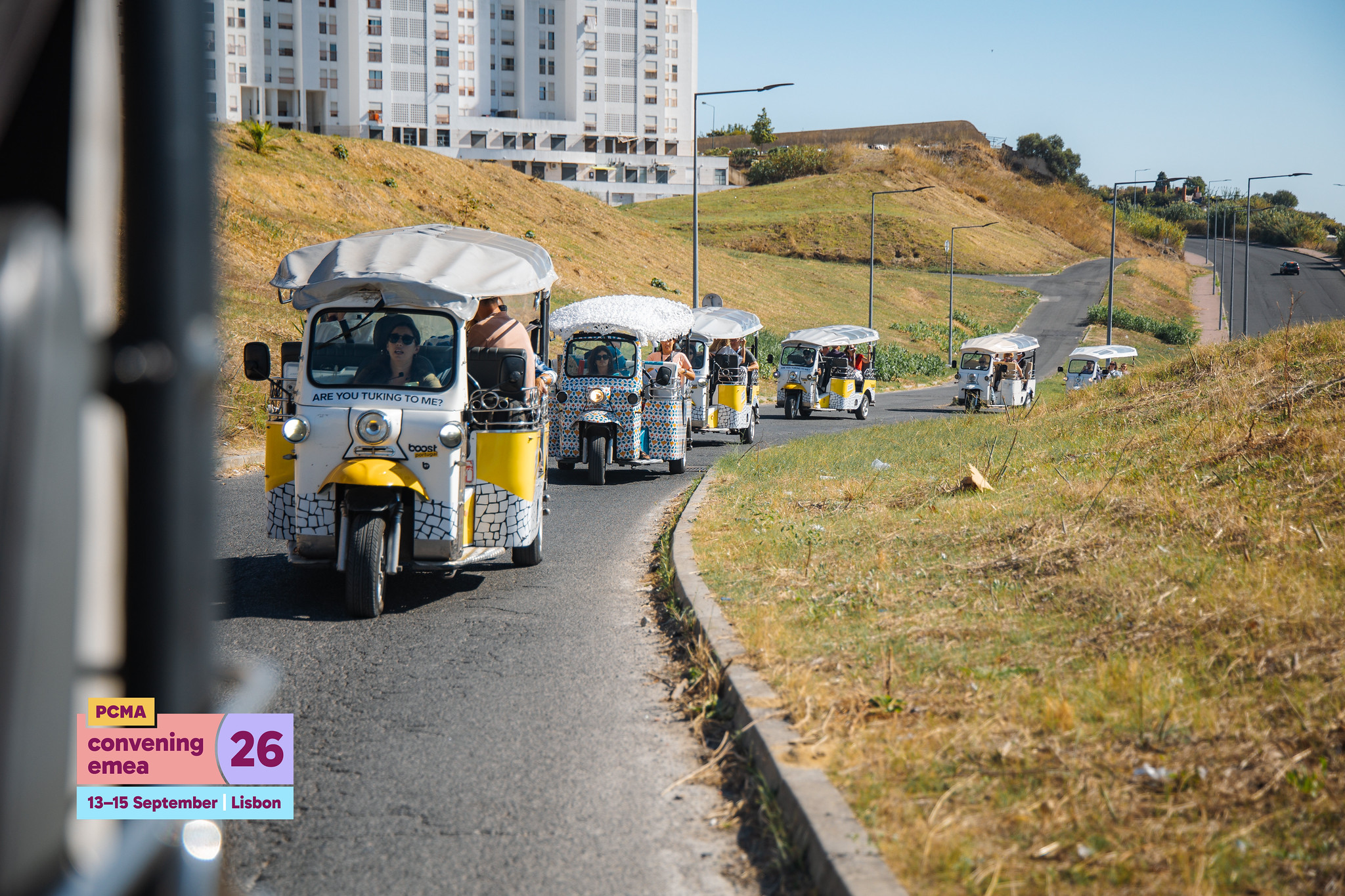
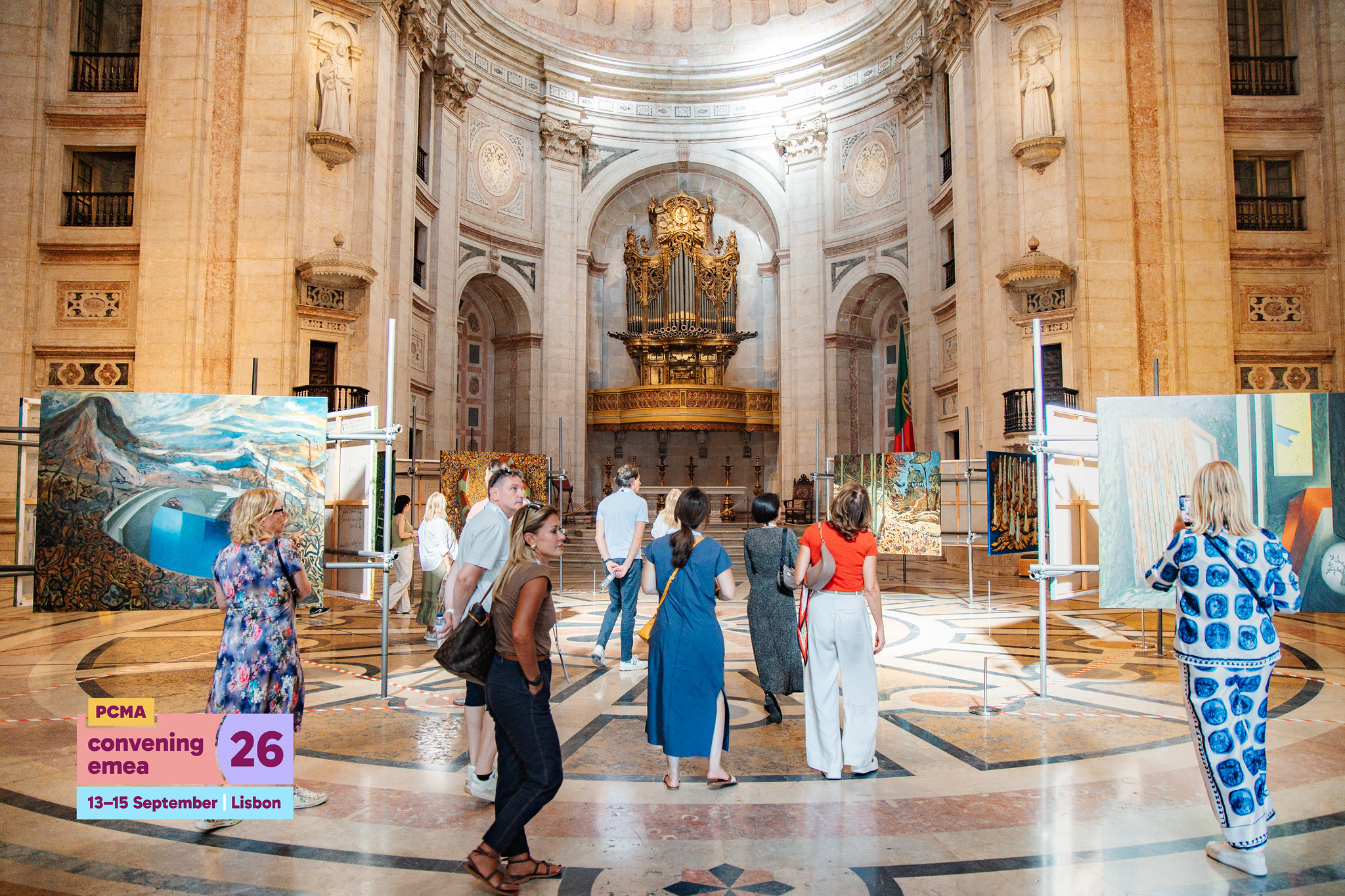
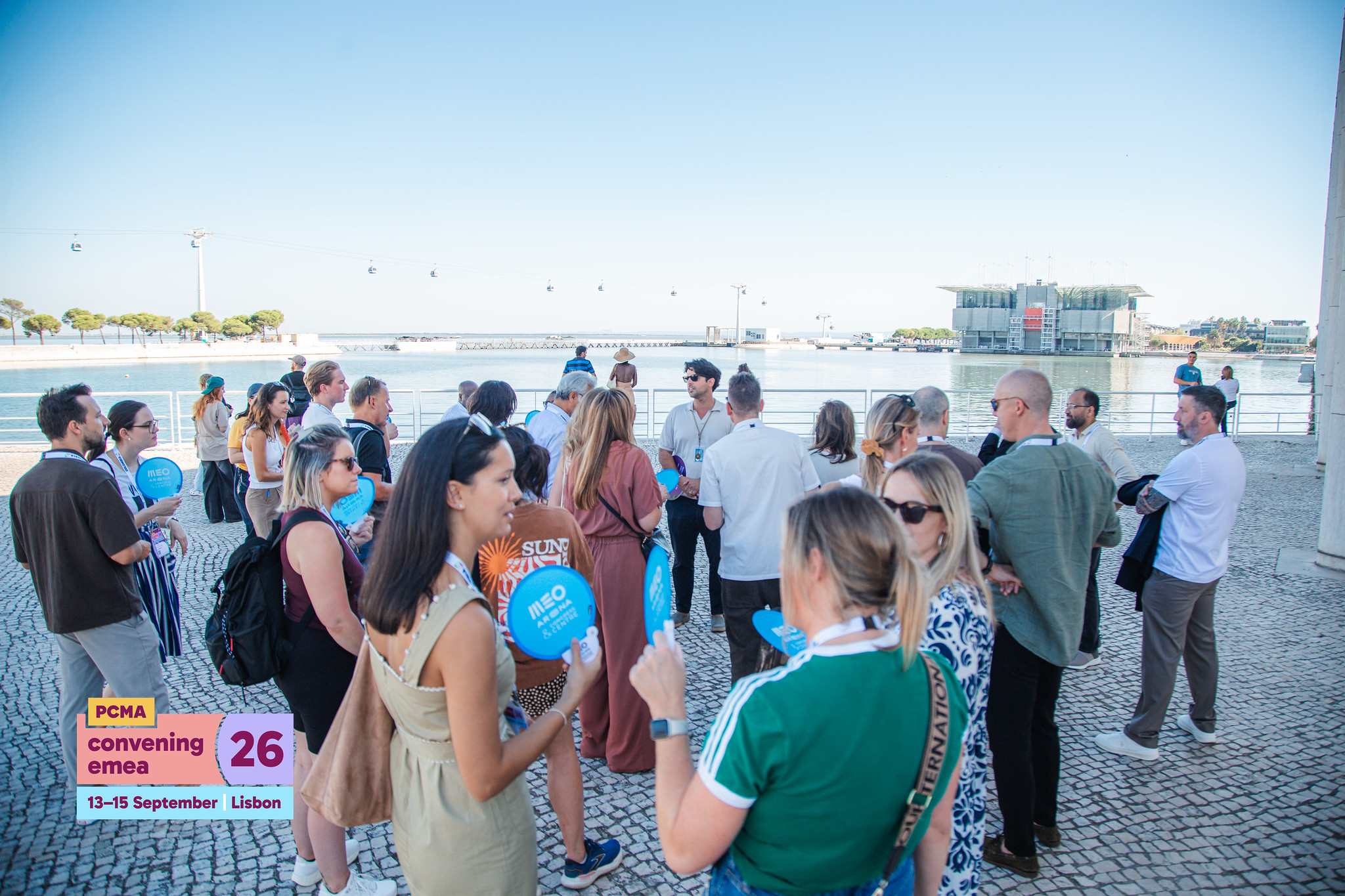
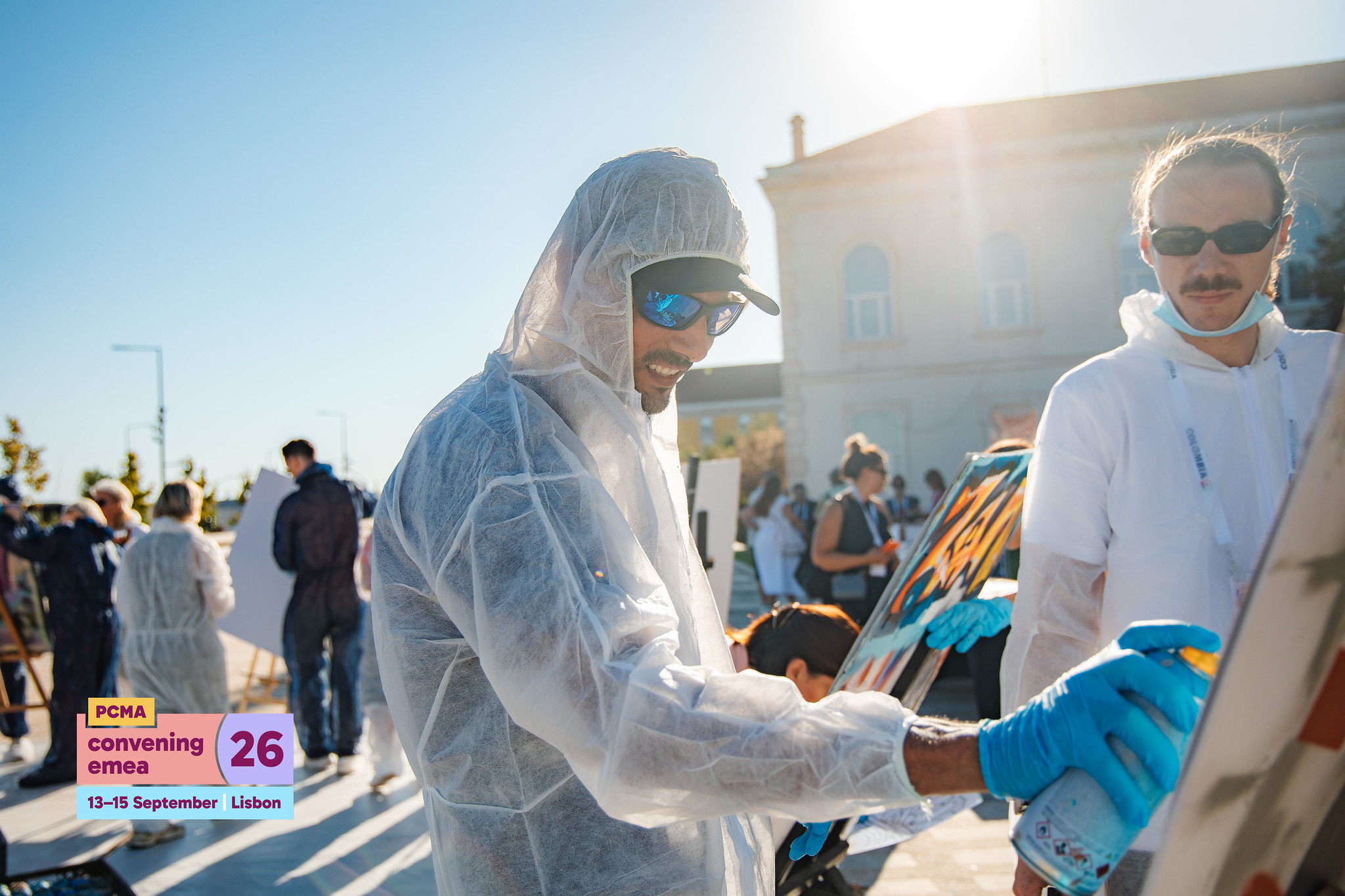
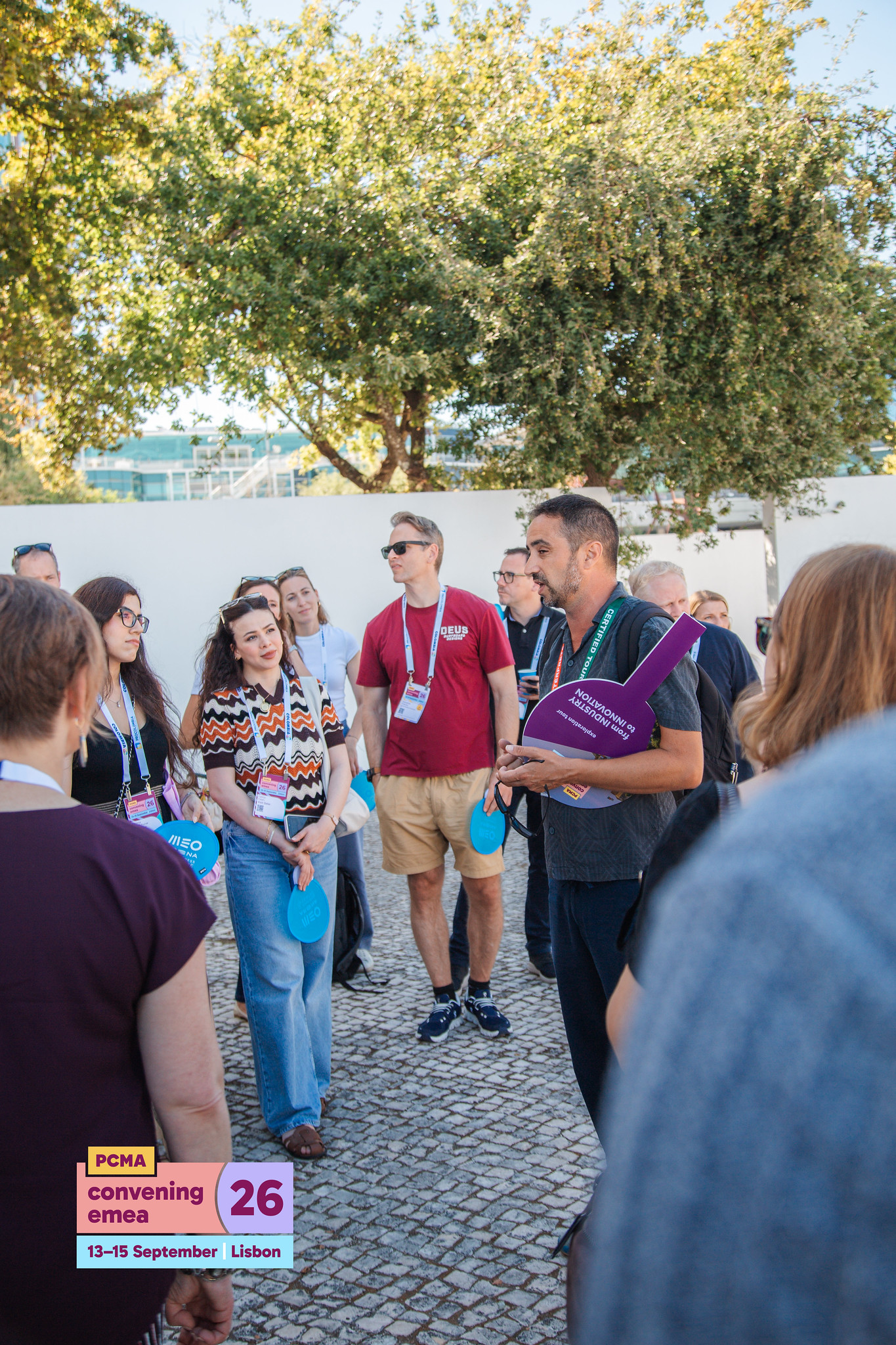
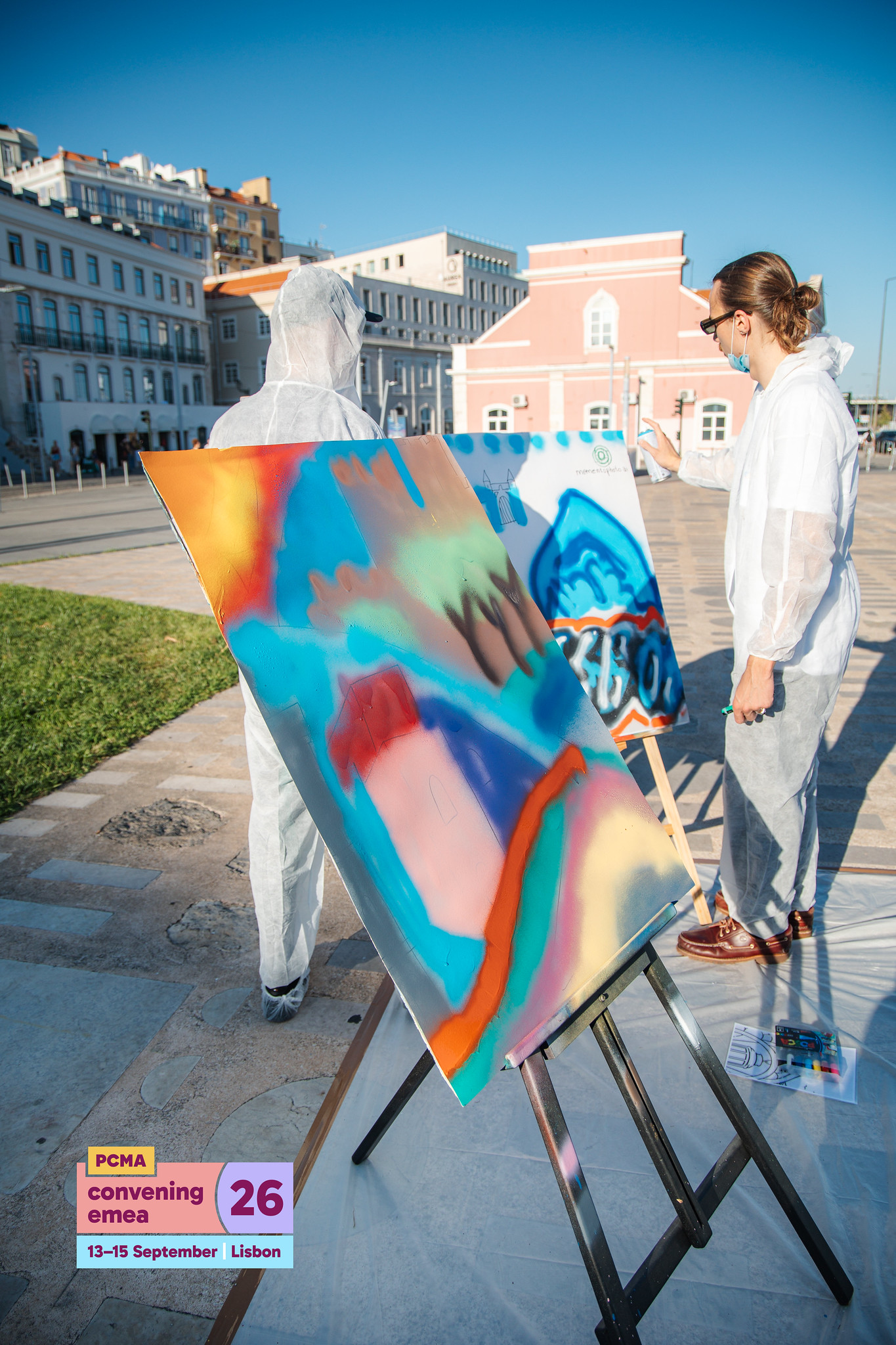
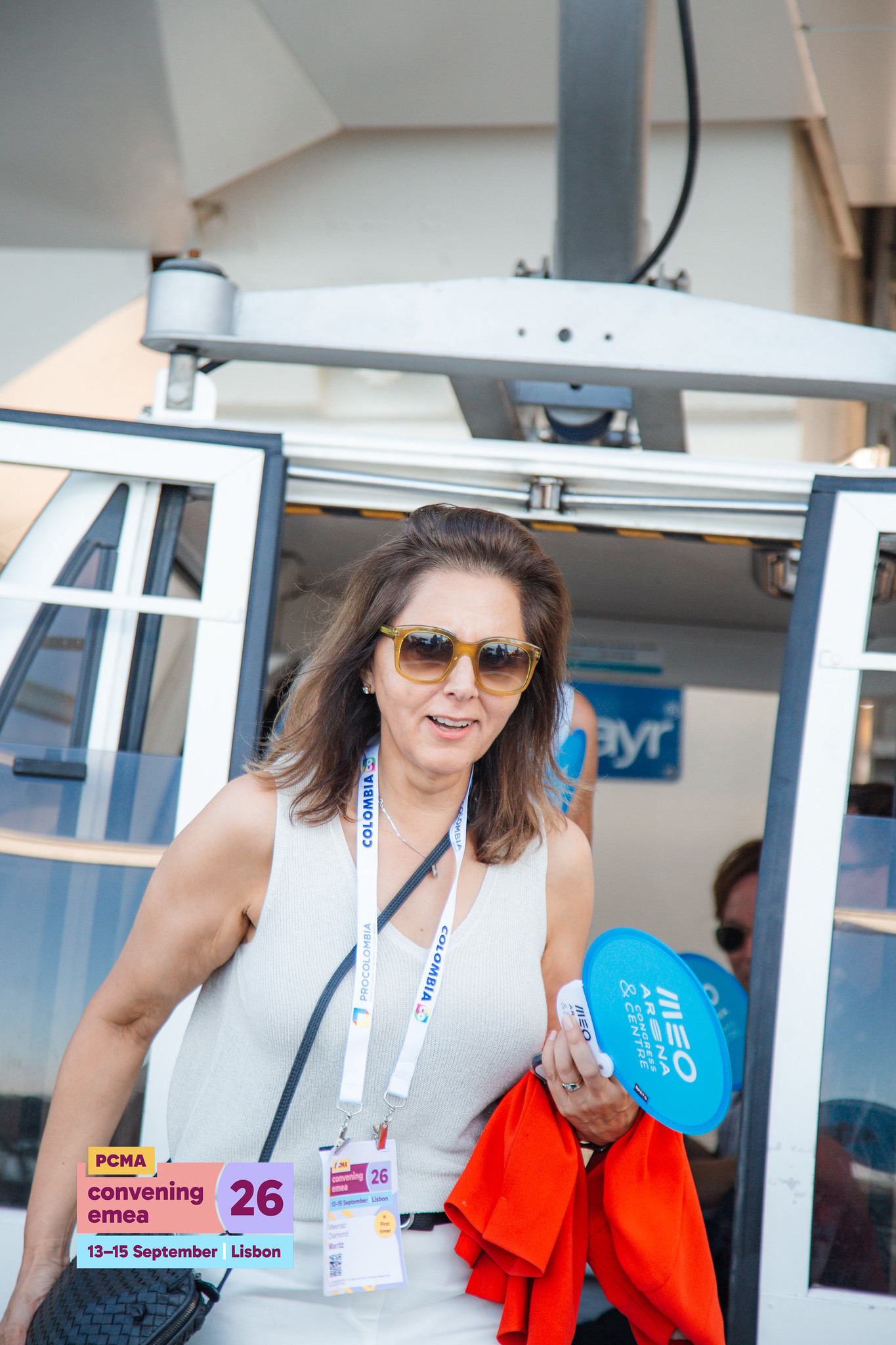
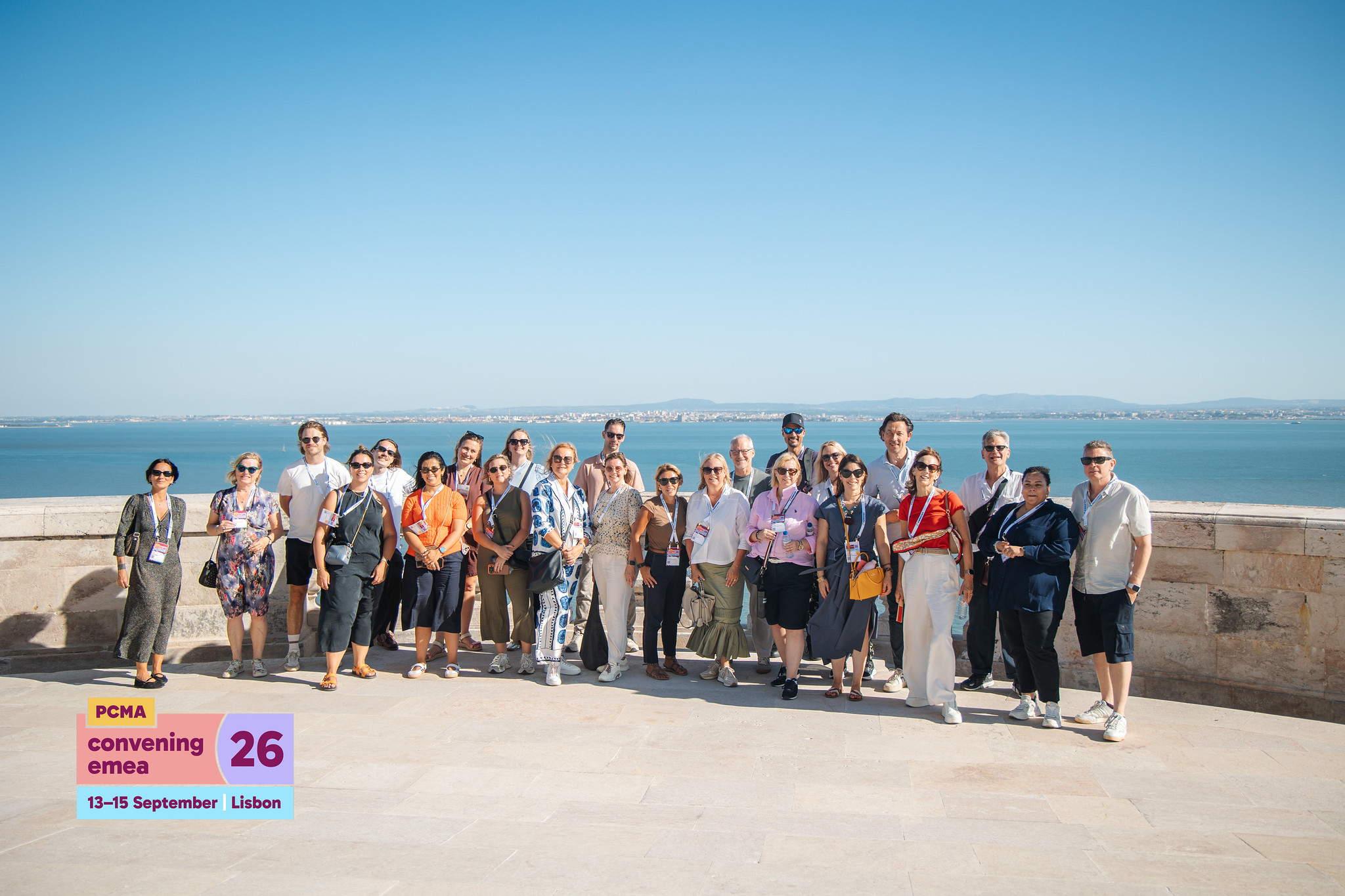
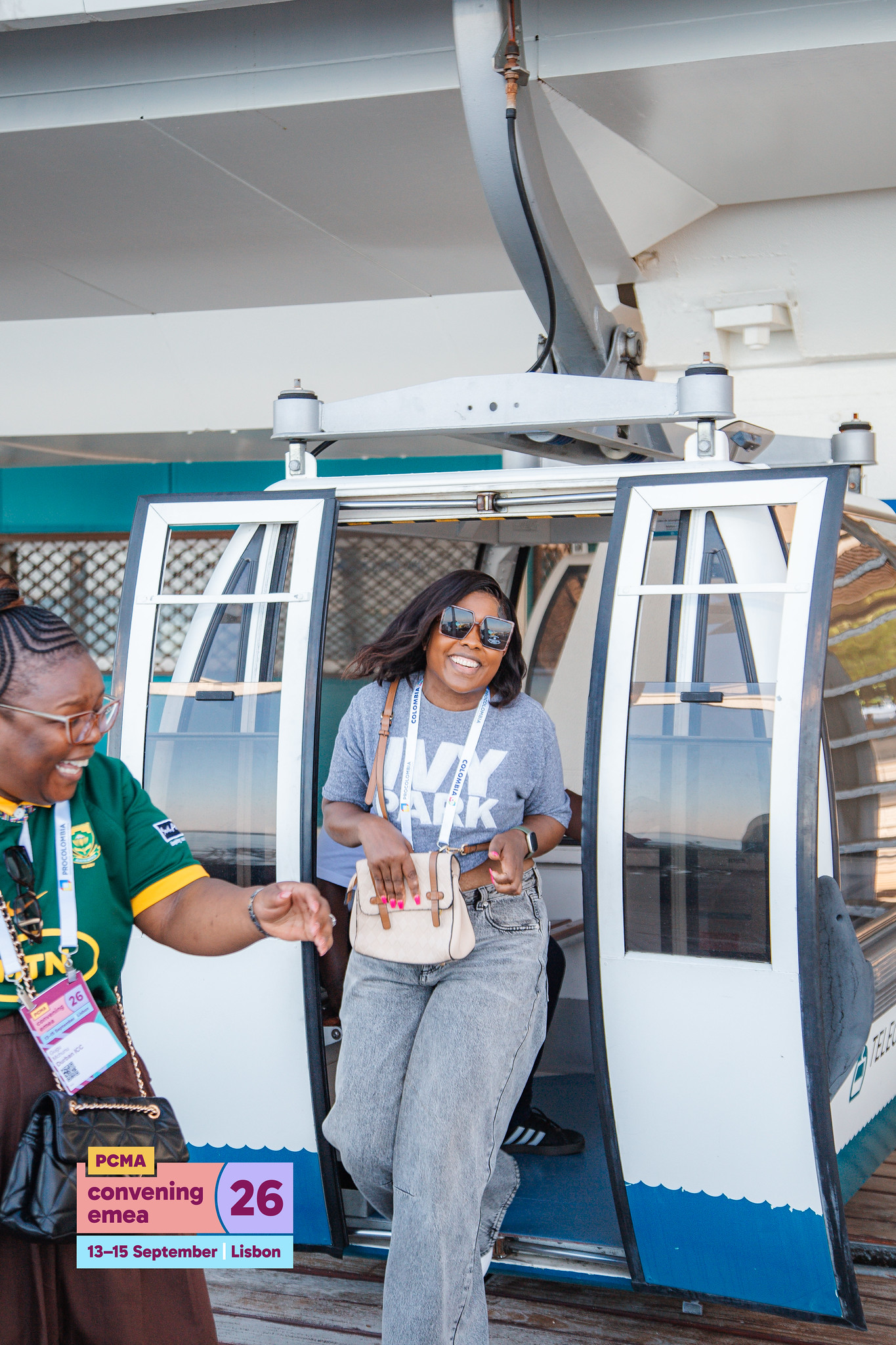
Lisbon was also used as part of the experience rather than simply its setting. The Exploration Tours were less about visiting the city’s best-known tourist attractions and more about understanding the destination beyond its landmarks. The tour I joined at Beato Innovation District showcased how a former industrial and military complex is being transformed into a thriving hub for start-ups, creators and events, while helping to position Lisbon as an international centre innovation.
2. In the age of AI, ‘soft’ skills are becoming the hardest skills
AI inevitably featured throughout the programme, but some of the most interesting conversations focused less on the technology itself and more on the human qualities becoming increasingly valuable alongside it.
One of the standout sessions for me came from neuropsychologist and Better Minds CEO Elke Geraerts. She described the current period as a “mental revolution” and challenged organisations to invest as much in the people steering new technology as they do in the technology itself.
“Soft skills are the hardest skills,” she said. “They’re not nice to have. They are the real product.”
Geraerts identified six elements of what she calls “authentic intelligence”: emotional intelligence, genuine connection, moral courage, critical thinking, creativity and resilience.
These skills matter because AI can produce content, process information and improve efficiency, but it cannot replicate the experience of belonging to something or the relationships built through sharing a room with others.
For event planners, that creates both an opportunity and a challenge. Geraerts suggested that the biggest competitor to a conference may no longer be another event, but the recording watched at increased speed, or the AI-generated summary consumed in minutes. The value of attending therefore must come from what cannot be summarised, including meaningful conversations, unexpected encounters and a genuine sense of community.
Her closing message was simple: “The future won’t ask for faster events, but it will ask for more human ones. Not more sessions, but more moments. Not more content, but more contact.”
3. Sometimes better event design means taking something away
Geraerts also challenged the instinct to keep adding more content, technology and activity to programmes that are already packed.
She described modern society as being in a state of permanent activation, with people moving between emails, notifications and competing demands without allowing their brains time to recover. Audiences often arrive at events carrying that same mental load with them.
High levels of stress, she explained, narrow thinking and make it harder to access the parts of the brain responsible for strategy, innovation and connection. Creativity, by contrast, needs rest and even boredom.
Her advice was to move away from what she called “yester-event” formats retained simply because they have always been used and have the courage to remove elements that no longer serve the audience.
“The most powerful thing that you can do for your next event is have the courage to remove something,” she said.
Recovery should not be seen as time taken away from performance, but as part of performance itself. That might mean varying formats, protecting space for reflection, building in genuine breaks or resisting the urge to fill every available minute.
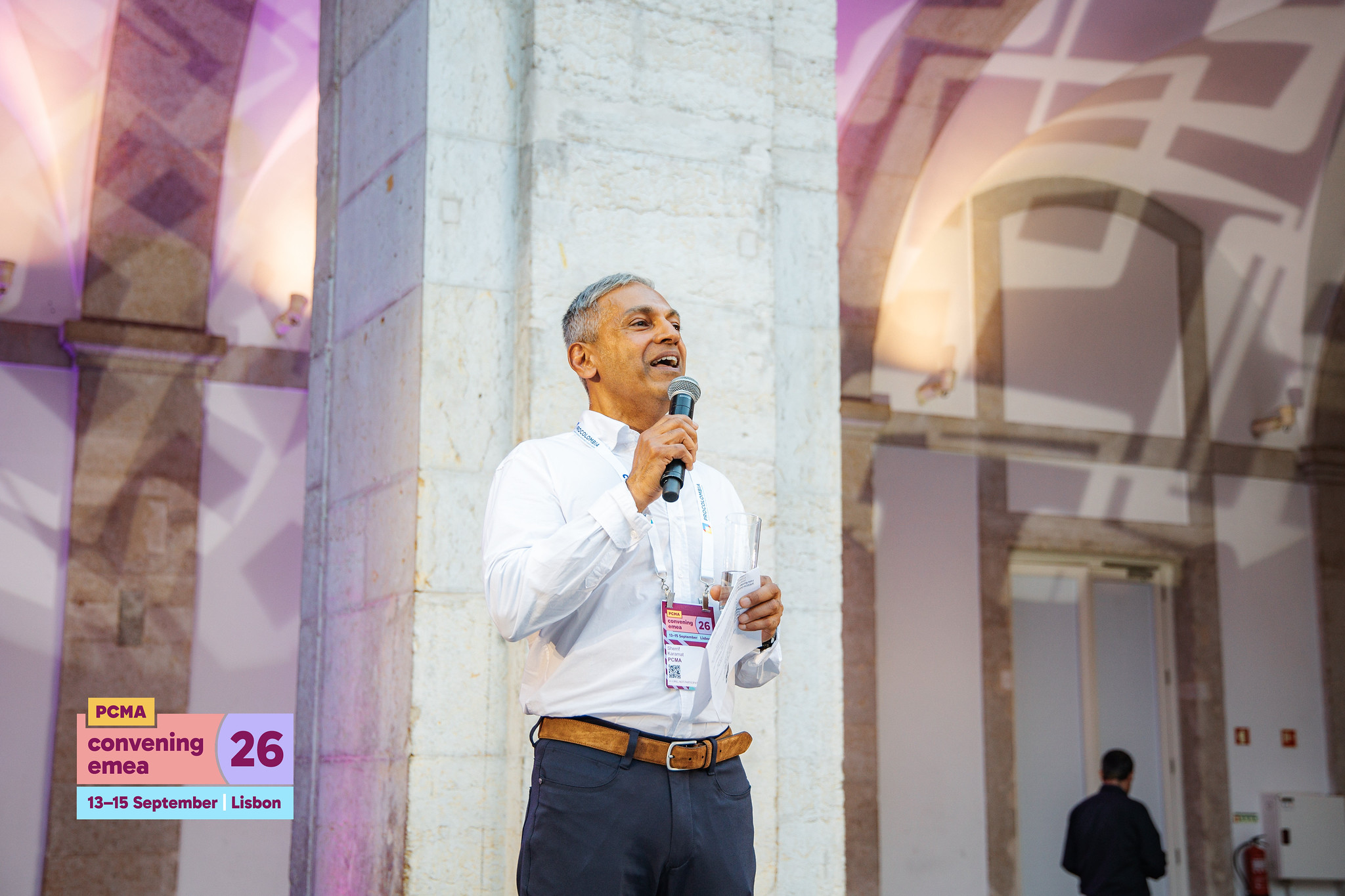
It was a point reinforced during the closing conversation by PCMA and CEMA president and CEO Sherrif Karamat, who encouraged attendees to become more focused about what they take on. “More is never better,” he said. “Try to start saying no to something that does not matter and see how that makes you better and more productive.”
4. Trust requires curiosity, discomfort and space to disagree
Dr Poornima Luthra explored why people often avoid difficult conversations and what leaders can do to create environments in which different perspectives can be heard.
She explained that opposing viewpoints can register subconsciously as a threat to our status, beliefs, culture or values, prompting a fight, flight, freeze or fawn response. Behind much of the resistance to change and reluctance to speak up lies fear: of getting something wrong, creating discomfort, facing personal consequences or failing to make a difference.
Her framework for moving beyond that fear centred on five qualities: openness, curiosity, vulnerability, courage and resilience.
Luthra encouraged the audience to actively seek out viewpoints that differ from their own. Algorithms increasingly reinforce what people already believe, she noted, making it more important to move beyond those echo chambers and understand the experiences that have shaped another person’s position.
Curiosity can be expressed through something as simple as asking “tell me more” rather than immediately defending an opposing view. Luthra also encouraged teams to hold space for divergence before rushing to converge on a decision. Even a few additional minutes can allow different voices, ideas or evidence to emerge.
Luthra also made an important point about psychological safety. Giving people the confidence to speak up does not mean every opinion will be reflected in the final decision. Leaders still need to make choices and draw a line when views or behaviours conflict with an organisation’s values.
For difficult discussions, she also advised moving away from email and arranging an in-person or video conversation wherever possible, creating the opportunity to clarify intent, tone and meaning.
5. Event professionals need the tools to match their strategic role
The first findings from PCMA’s Future Readiness Industry Trends Report, which were explored in one of the sessions, revealed a profession in transition.
Based on surveys, interviews, focus groups, social listening and desk research across the corporate, association and destination sectors, the report identified four overarching shifts: the rise of the augmented event professional, the need for better data and tools, pressure to innovate with purpose and a growing “sea of sameness”.
The most significant was the move to an increasingly strategic role. Event professionals are increasingly expected not only to deliver an event, but to explain why it is taking place, how it supports wider organisational objectives and what return it creates.
Yet the research suggests capability and infrastructure are not always keeping pace with those expectations. Teams and budgets are becoming smaller, measurement remains a challenge and many organisations have large volumes of data without necessarily having the right data or knowing how to use it.
AI-generated content is also contributing to what PCMA rsearchers called a “sea of sameness”, but that may strengthen the case for live experiences. As digital communications become easier to produce and harder to distinguish, distinctive in-person experiences offer brands and organisations an increasingly valuable way to stand apart.
There is far more detail in the research worth exploring at a deeper level, particularly when the findings are broken down by sector and region. But the key message is that event professionals will need stronger strategic, commercial and data skills to match the growing expectations placed on their role.
Next stop: Seville
Convening EMEA closed with the announcement that Seville, Andalucia, will host the 2027 edition from 13-15 September at FIBES – Seville Conference & Exhibition Centre.
PCMA last brought its European community to the city for the European Influencers Summit in 2018, when the event attracted around 150 participants. More than 600 in-person attendees are expected for Convening EMEA 2027, alongside a global digital audience.
“Returning in 2027 gives us an opportunity to demonstrate just how far that community, and this experience, has come,” said Karamat. “Andalucia and Seville share our ambition to use business events to create meaningful economic and social progress.”
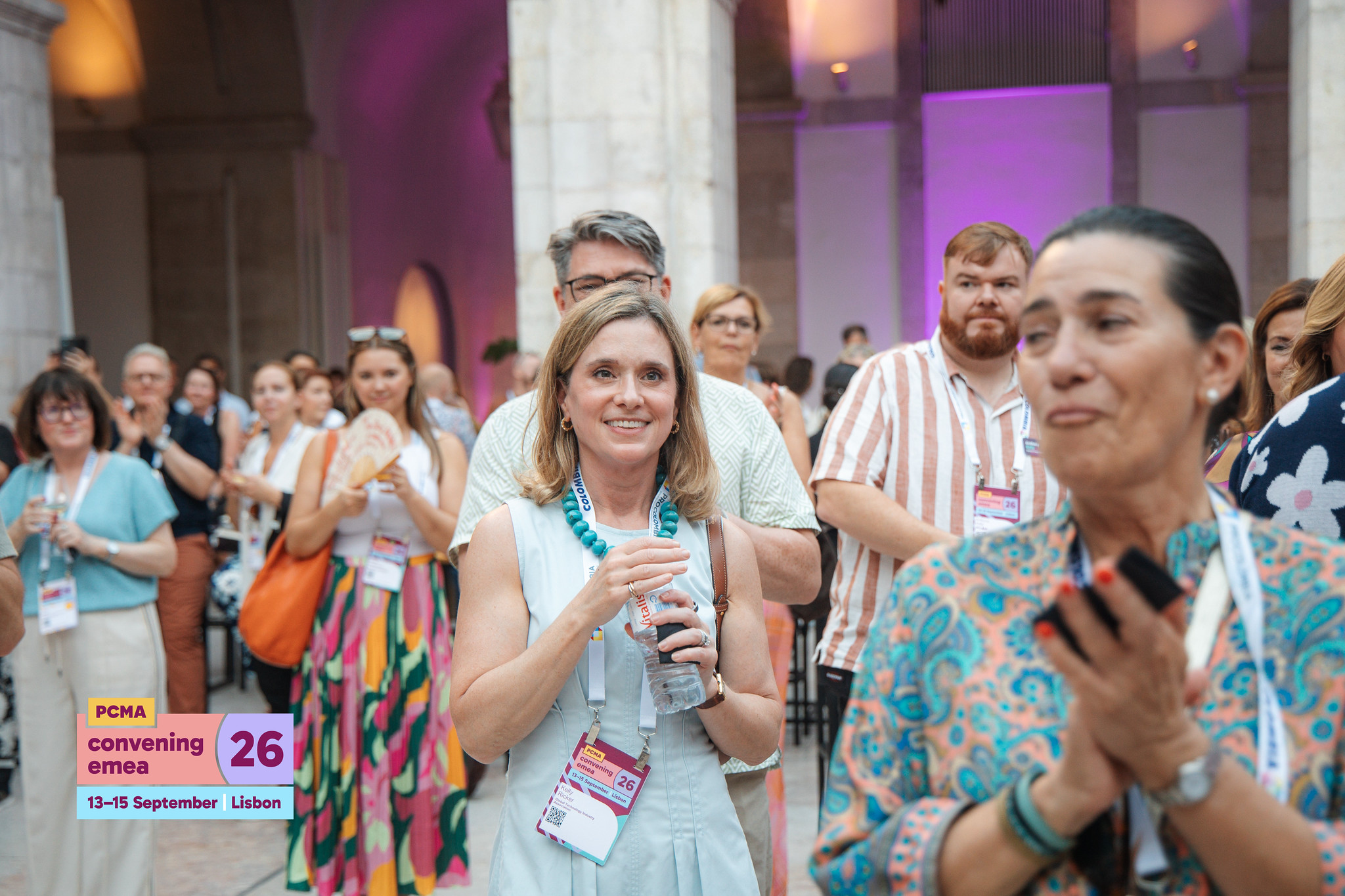
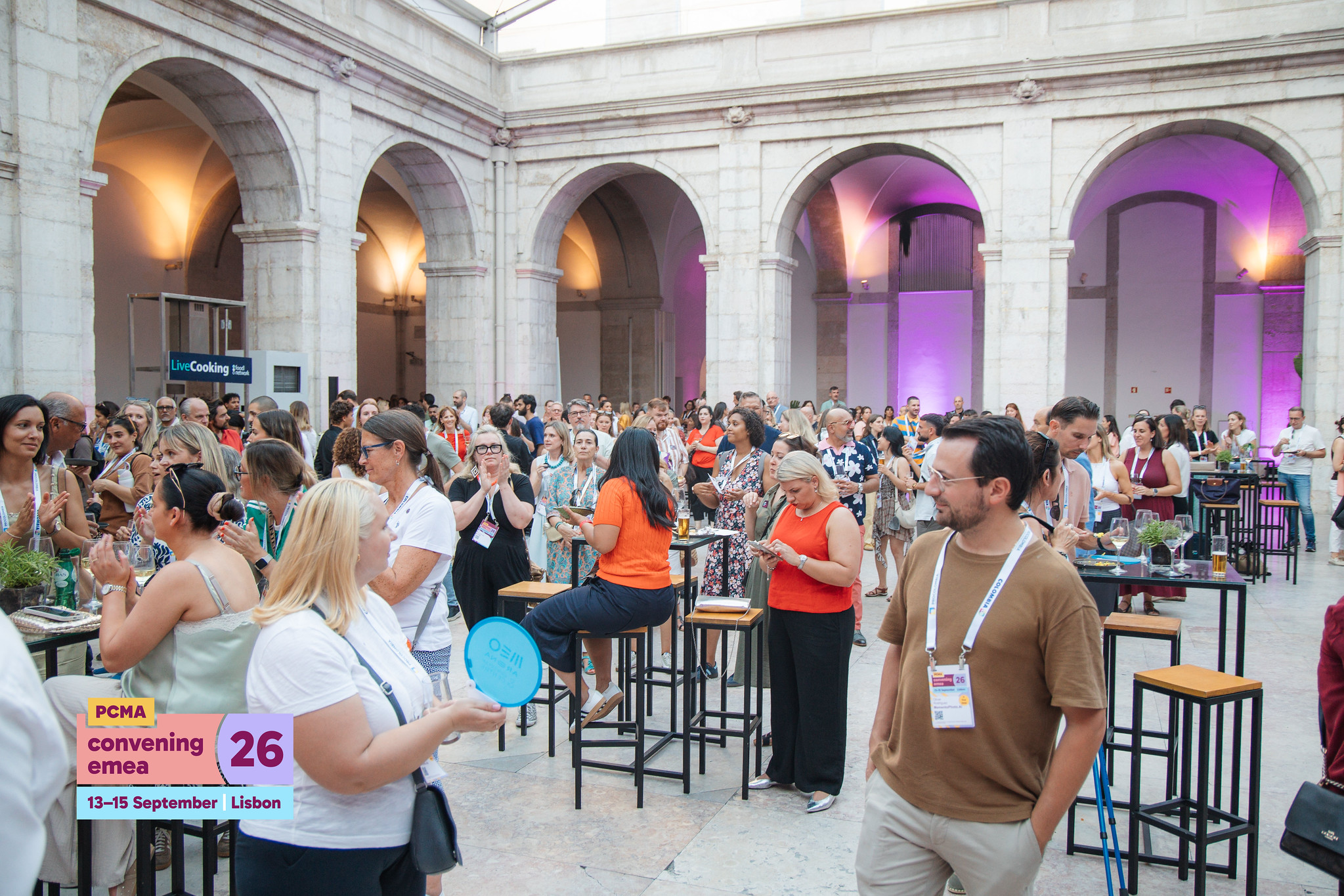
Here’s a few photos from the event