
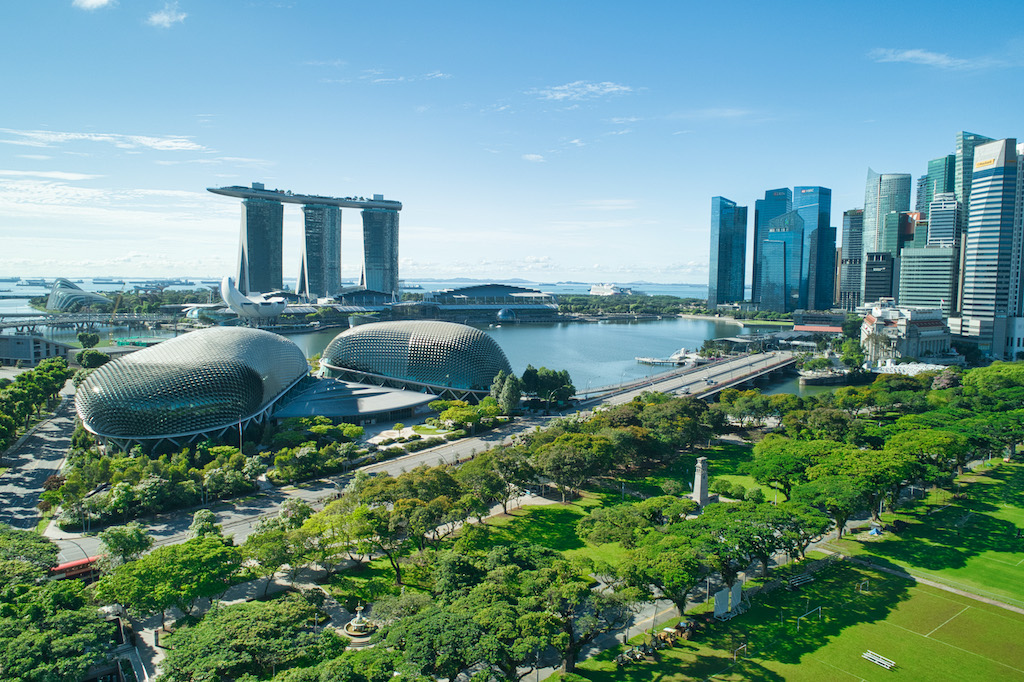
Singapore is setting its sights on becoming the world’s best MICE city by 2040. We caught up with Kershing Goh, executive director Europe at the Singapore Tourism Board (STB), to find out how the city-state is investing in innovation, sustainability, and partnerships to redefine business events on a global scale.
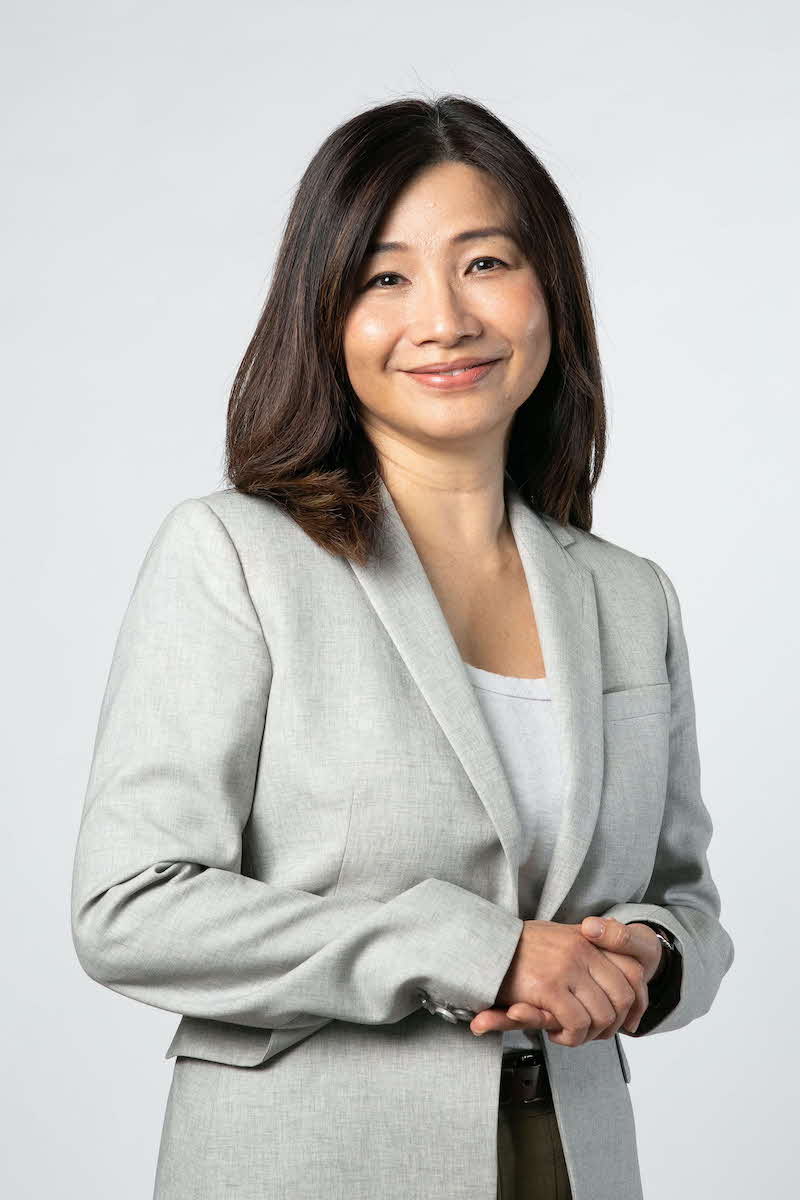
Singapore has big ambitions. What does becoming the World’s Best MICE City mean in practice, and how do you plan to get there?
Singapore’s ambition to become the World’s Best MICE City is underpinned by a vision to be a “Global-Asia node for business,” leveraging sustainability, innovation, accessibility, trust, and safety. In practice, this means creating an environment where MICE events and delegates can achieve meaningful and lasting impact across industry, society, and the environment.
Singapore is focused on three strategic pillars: accessibility, innovation, and sustainability. The city-state is home to over 4,200 corporate regional headquarters – the largest number in Asia Pacific – and boasts connectivity to over 160 cities via Changi Airport. Singapore’s neutral stance on foreign and business policies, coupled with a stable and transparent government, enhances its appeal as a trusted venue for international events.
Our approach is holistic: we focus on quality growth, deep industry partnerships, and a strong value proposition for both visitors and organisers. This includes developing a new downtown MICE hub, expanding venue capacity, and ensuring every event leaves a meaningful legacy.
STB’s T2040 strategy aims to triple MICE tourism receipts by 2040. What’s driving that goal and what will be key to achieving it?
The T2040 strategy is driven by our vision for quality tourism – maximising economic returns and ensuring sustainable growth that benefits both visitors and locals. Tripling MICE tourism receipts to $4.5 billion by 2040 is ambitious but achievable, given the global MICE market is projected to double in value over the next decade, with APAC as the fastest-growing region.
Key to achieving this will be anchoring high-value, strategic events aligned with Singapore’s growth industries, investing in infrastructure, and empowering local associations and partners to bid for and host world-class events. STB is intensifying business development efforts in key overseas markets and investing in future-ready infrastructure. We are also enhancing support schemes and leveraging data and technology to better understand and serve our visitor segments, ensuring Singapore remains at the forefront of the global MICE industry.
Singapore has become a leader in sustainable events. How is sustainability influencing your approach to future business events, and what progress have you made so far?
Sustainability is at the heart of our MICE strategy. The MICE Sustainability Roadmap, launched with the Singapore Association of Convention and Exhibition Organisers and Suppliers in 2022, sets ambitious targets: developing internationally recognised standards, certifying venues and organisers, and tracking waste and carbon emissions in line with the Singapore Green Plan 2030, with a goal of achieving net-zero emissions by 2050.
Singapore is on track to meet these targets, with the Singapore MICE Sustainability Certification (MSC) Framework launched in January 2024 and recognised by the Global Sustainable Tourism Council in November 2024. We encourage organisers to incorporate sustainable elements, such as carbon offsetting and waste reduction, and support innovation through grants and capability-building programmes. Our aim is for every event in Singapore to be a catalyst for positive environmental and social impact.
There are exciting developments on the horizon – the new downtown MICE hub, Changi Terminal 5, and new attractions such as the Singapore Oceanarium and Science Centre. How will these enhance the delegate and organiser experience?
Singapore’s ongoing and upcoming infrastructure investments are set to significantly enhance the experience for both delegates and organisers. The new downtown MICE hub is expected to be a game changer, providing large-scale expo spaces that leverage existing and upcoming amenities, including hotels and lifestyle offerings in the city centre. Together with existing venues such as Marina Bay Sands, Resorts World Convention Centre, Suntec Convention Centre and Singapore Expo, this new hub will add to Singapore’s ability to host a wide range of business events.
Beyond dedicated MICE facilities, Singapore continues to invest in tourism offerings. New attractions like the Singapore Oceanarium, Rainforest Wild, hotel openings including Mandai Rainforest Resort by Banyan Tree, Raffles Sentosa Singapore, and the new Science Centre designed by Zaha Hadid Architects will provide delegates with world-class experiences. These developments reinforce Singapore’s position as a vibrant, accessible, and innovative destination for global events.
What trends are you seeing in the MICE sector right now, and how is Singapore adapting to meet changing needs?
We are seeing a clear shift in how MICE organisers evaluate destinations – it is no longer just about managing costs, venue capacity or logistics. Increasingly, the MICE community is seeking better integration of their content and programming to align the event’s purpose with the host city’s values, sustainability credentials, innovation ecosystem, or social impact opportunities. One example is the successful hosting of the GSTC Global Sustainable Tourism Conference 2024, which demonstrated Singapore’s strong leadership and capabilities in sustainable tourism, reinforcing our position as a leading sustainable destination.
STB will continue to attract and nurture events that align with Singapore’s identified growth industries, such as aerospace, logistics, applied health sciences and innovation and technology. This allows us to leverage our intellectual capital and support the growth of Singapore-based companies in key industries while ensuring they remain future-ready.
Technology and innovation are at the heart of Singapore’s identity. How are these shaping the future of MICE experiences in the city?
Technology and innovation are at the heart of Singapore’s MICE strategy. Singapore is recognised as Asia’s most dynamic AI hub after China, attracting major tech events such as GITEX Asia and Fortune’s Brainstorm AI. The city’s National AI Strategy 2.0 and partnerships with the Infocomm Media Development Authority (IMDA) further reinforce its leadership in digital transformation.
MICE venues and organisers are incorporating technologies such as augmented reality, live streaming, and hybrid event capabilities to enhance engagement and accessibility. AI is being used for business matching, real-time translation, and event analytics, while sustainability tech helps venues track and reduce waste. These innovations improve operational efficiency and create more personalised, impactful experiences for delegates.
Finally, what can we expect to see next from Singapore’s MICE sector?
Singapore’s MICE vision looks beyond individual marquee wins to build a trusted, sustainable, and future-ready hub that delivers meaningful and lasting impact across industry, society, and environment. By co-developing innovative event content and concepts, driving sustainability through practical support schemes, and empowering our workforce for the future, Singapore continues to strengthen its position as a global-Asia node for quality events, thought leadership and innovation; anchored by our ambition to triple MICE tourism receipts by 2040, and to remain a trusted, leading MICE destination.